
The Tiger Boss Problem
What Southeast Asia's Performance Culture Is Costing Businesses
The patterns that matter most:

About This Analysis
This report draws on two data sources working together. Omni HR’s anonymized data covers performance review programs running across Singapore, Malaysia, the Philippines, Indonesia, Thailand, Hong Kong, and Vietnam. TalentKraft contributed anonymized employee engagement data from more than 100 large enterprises in Singapore, with a combined respondent pool of over 10,000 people.



What Employees Actually Want

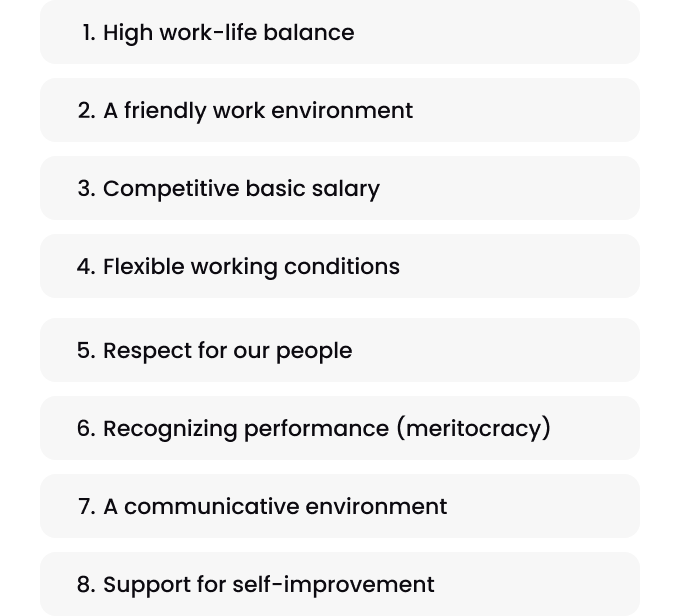
Ask employees what keeps them motivated, and the answer isn't just money. When ranked, respect for people and support for self-improvement land near the top of the list, ahead of several factors employers typically lean on as retention levers.

The Review Gap


Low Scores Come With a Paper Trail
Bottom-rated reviews average 37.5 words per comment at the median, a third longer than the feedback top performers receive.

The Hollow Praise Problem

Top-rated reviews average just 28 words per comment at the median. The people you most want to develop and retain are getting the least documented guidance.

Left to Figure It Out Alone
Between harsh criticism and hollow praise, employees are left with something worse than negative feedback: no direction at all on how to grow.

Review Variety and Retention

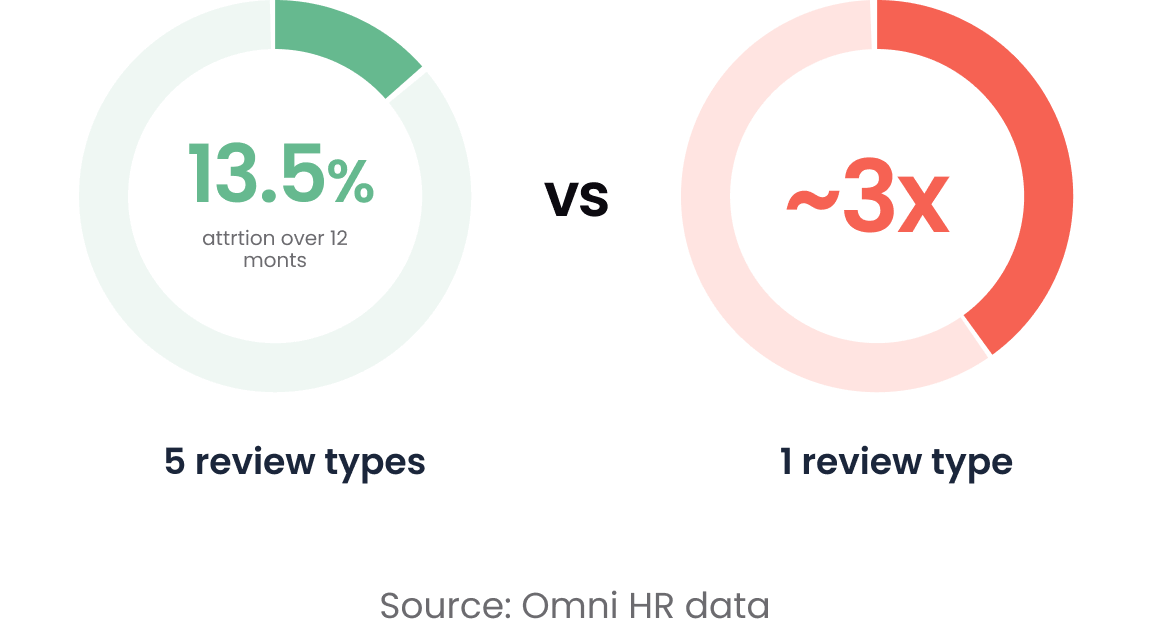
Companies running 5 review types see 13.5% attrition over twelve months. Companies running just one review type see attrition nearly triple that.
The Skills Confidence Gap

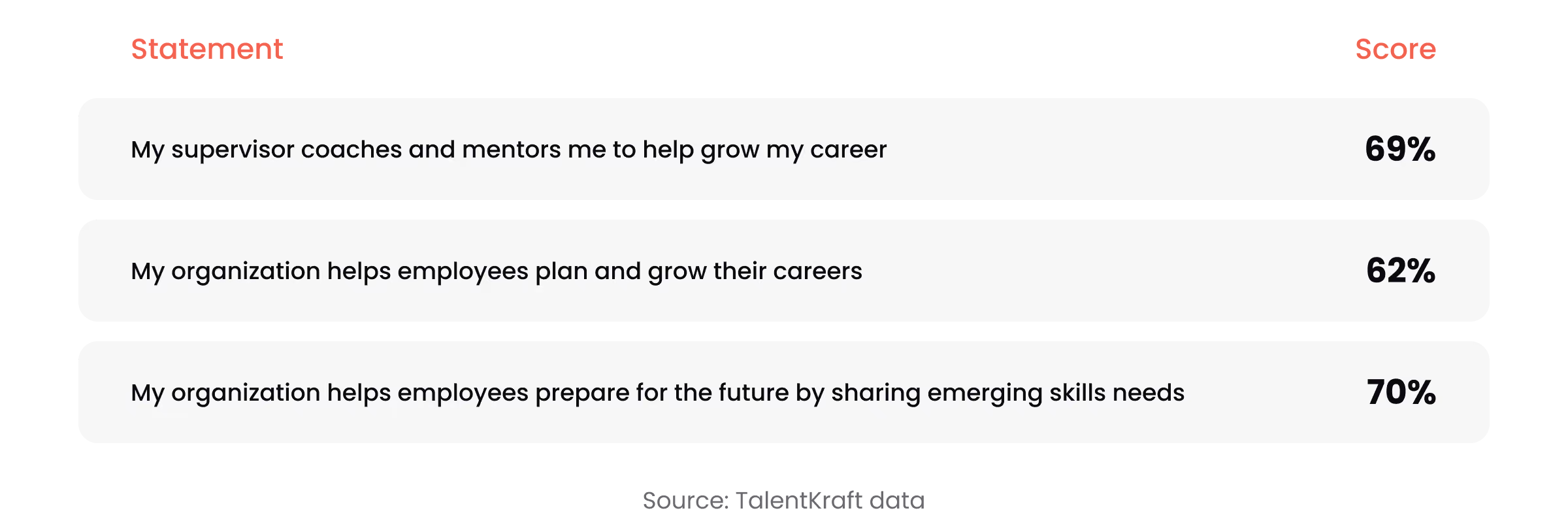
As AI and automation reshape work, employers are placing increasing value on innovation, influence, and cross-functional collaboration, the distinctly human capabilities technology can't easily replicate. But employees don't feel ready. Only around two-thirds feel confident in these areas, even as half of CEOs call innovation critical to their business strategy.

The Robot Employee Consequence
When hollow praise and sharp criticism become the norm, employees adapt, just not in the way businesses need them to. A 30-point gap separates the workforce companies have from the one they need: employees feel far more confident executing on instruction than innovating or influencing. In a culture that punishes mistakes without rewarding genuine progress, the rational response is to keep your head down and do just enough. Employees don't disengage all at once, they pull back gradually, long before it shows up in engagement scores or output metrics.


The True Cost

The effort managers put into feedback shows up directly in who stays.
Employees receiving the thinnest feedback (around 10 words) leave at 22.4% within twelve months. Those receiving the most detailed feedback (around 98 words) leave at 19.5%, a gap that holds steady at every step in between.


Retention doesn't always require a new program or a budget cycle. Sometimes it starts with a manager who takes the time to write something specific enough that the employee knows their growth is a collaborative effort.
What this means for your performance strategy
Methodology & Limitations
Data Privacy & Governance
Responsible Use of Aggregated Data
TalentKraft's engagement survey data was collected with respondent consent for anonymized, aggregate research purposes. No individual respondent can be identified from any finding in this report.
Turning Insights into Action