.avif)


Four generations, one workplace. Different values and work styles might create confusion, but the right HR platform brings clarity and connection. From Boomers to Gen Zers, the future of HR’s challenge is addressing diverse expectations while creating shared engagement experiences. Multigenerational teams bring richer perspectives and stronger innovation potential, but they also reveal gaps in feedback preferences, tech adoption, and recognition styles. This complexity requires tools that adapt to people, not the other way around.
In this article, we'll show you how smart HR technology bridges generational divides and enhances workforce engagement across all age groups. You'll discover the key features of inclusive HR software platforms, common roadblocks businesses face, and practical strategies to promote unity, productivity, and satisfaction.
Understanding the Generational Landscape
With four distinct age groups working side by side, today's workplace represents unprecedented generational diversity. To boost productivity and foster inclusion, you need to understand each generation's values, communication styles, and expectations.
Here's a closer look at these four cohorts:
- Baby Boomers (1946–1964). Shaped by rapid economic development and social transformation across Asia, Boomers value hard work, dedication, and teamwork. They adopted technology later but use it effectively alongside more personal communication forms. Often in leadership roles, they value recognition and stability, though they're sometimes unfairly stereotyped as inflexible.
- Generation X (1965–1980). Gen X is adaptable and independent, having grown up during economic instability and the technology boom. They're comfortable with digital tools, prefer clear and efficient communication, and expect workplace flexibility. Often mislabeled as cynical, they're actually pragmatic, strong leaders who bridge older and younger generations.
- Millennials (1981–1996). Set to make up 75% of the workforce by the end of 2025, Millennials value purpose, diversity, and growth. They prefer fast, digital communication and tech-friendly workplaces. Though sometimes misunderstood as entitled, they're entrepreneurial, motivated, and eager to make a difference.
- Generation Z (1997–2012). The first generation raised entirely in a digital world, Gen Z values transparency, inclusivity, and immediate feedback. They favor instant, mobile-first communication and seek flexible, socially responsible workplaces. Sometimes viewed as easily distracted, they're actually resourceful, quick learners who bring fresh innovation to the table.
Common Engagement Challenges Across Generations
Understanding the distinct differences between generations helps you build an effective multigenerational team. By addressing these differences, you'll prevent misunderstandings and support better collaboration and performance.
Miscommunication and Clashing Work Styles
Each generation tends to prefer different communication methods and work styles. Baby Boomers often favor face-to-face meetings and thorough email communication, while Millennials and Gen Z typically prefer fast digital messaging and adaptable work styles.
These mismatches can lead to misinterpretation, delays, and friction in collaborative efforts. What feels efficient to one group may seem abrupt or unprofessional to another.
Technology Adoption Gaps
Younger employees often adapt quickly to new tools, while older generations may prefer familiar systems and slower transitions. When you introduce new HR software without inclusive support, you risk alienating less tech-savvy team members and hindering collaboration. For example, rolling out a new project management tool without training could disrupt workflows for older staff and cause delays or frustration.
Differences in Feedback Preferences
Millennials and Gen Z generally prefer frequent and informal feedback, while Gen X and Boomers may be more used to periodic formal reviews. A manager who offers only annual evaluations might leave younger team members feeling overlooked, while constant feedback could overwhelm older colleagues. This mismatch can lead to disengagement if you don't balance these preferences.
Read next: Guide to Employee Performance Reviews: Best Practices and Examples
Varied Expectations in Flexibility and Benefits
Younger generations often prioritize flexibility, remote work, and mental wellness benefits, whereas older workers may focus on job security, healthcare, and retirement planning. If you offer only one kind of benefits package or rigid schedules, you risk failing to meet the needs of part of your workforce. For example, offering flexible hours but neglecting retirement planning may alienate senior staff.
"Culture Fit" vs "Culture Add" Tension
Hiring for "culture fit" can unintentionally exclude generational diversity by favoring sameness over difference, especially when it reinforces a narrow view of company culture. A Gen Z candidate who brings new perspectives may be passed over for not aligning with established norms. To be more inclusive, embrace "culture add" instead and value fresh viewpoints from all generations.
Key Features of Smart HR Software Platforms That Support Generational Inclusion
.avif)
HR software platforms are becoming essential tools for organizations navigating the complexities of today's multigenerational workforce. The global HR software market was valued at $16.43 billion in 2023 and is projected to grow at a 12.2% CAGR from 2024 to 2030, fueled by increasing demand for adaptive, intelligent systems. This growth highlights the rising need for solutions that streamline HR processes while supporting evolving workforce dynamics.
Leading HR software platforms, like Omni, go beyond basic automation by offering integrated functionality and personalized user experiences that cater to diverse employee expectations and work styles. These platforms help bridge generational differences by supporting varied communication preferences, career development needs, and engagement strategies. As your business grows more diverse, investing in smart HR software is a strategic move toward building a more inclusive and agile workforce.
Download the HR Software Buyers Guide
Below, we've highlighted smart HR features that help you create inclusive, supportive environments where every generation can thrive.
Flexible Benefits and Compensation
These platforms allow employees to select benefit packages that align with their life stage. Younger workers might prefer student loan repayment options, while older employees might prioritize healthcare perks. AI also ensures equitable compensation by analyzing pay patterns across age groups.
Real-Time Feedback and Recognition
With multigenerational preferences in mind, platforms offer real-time recognition tools, peer-to-peer shoutouts, and performance check-ins. A Gen Z employee may appreciate instant feedback through app notifications, whereas a Gen X employee might favor structured reviews or monthly summary reports.
Multichannel Communication Tools
Smart HR platforms support various communication channels, from Slack-style messaging to formal emails and video conferencing. AI chatbots can answer FAQs 24/7, giving digital natives quick help and providing consistent support for less tech-inclined users.
HR Analytics
These platforms collect and analyze workforce data to uncover trends like generational engagement levels or turnover risks. If analytics show that Boomers are disengaged due to insufficient training, you can adapt learning content to better suit their needs.
Mobile Access and User-Friendly UI
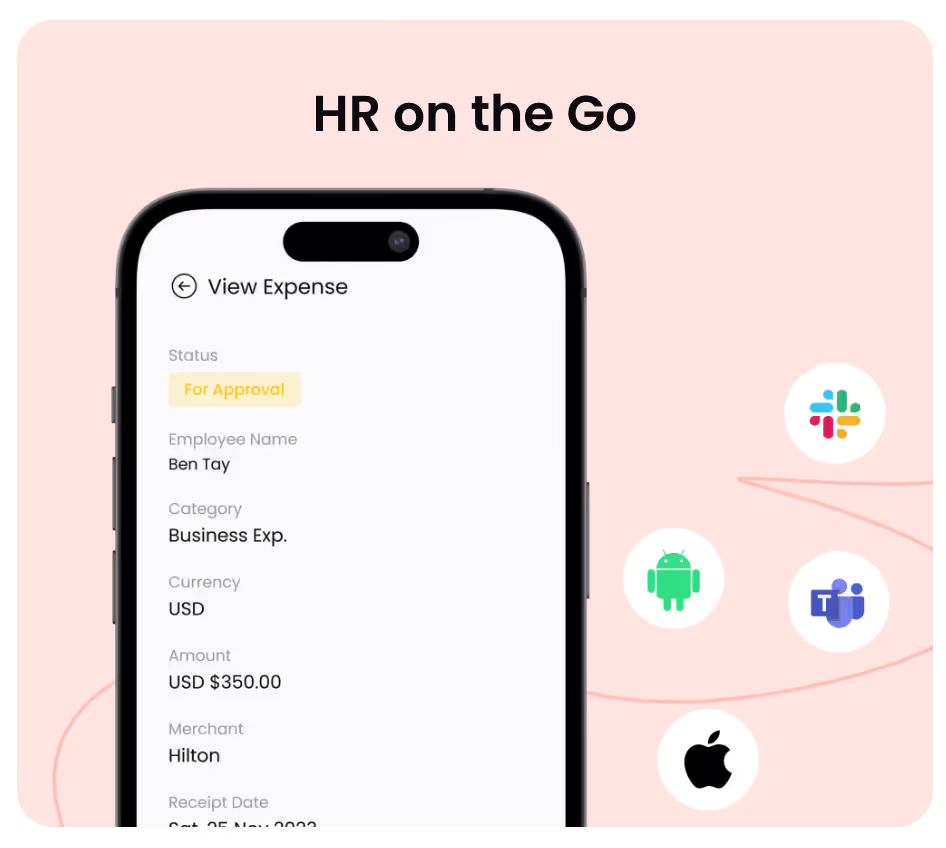
Employees can easily access HR tools via an intuitive, accessible interface on desktop or smartphone. A clean, responsive UI ensures that both tech-savvy younger workers and more traditional users can navigate and complete tasks without friction. Omni's mobile app—available to both iOS and Android users—makes it easy for employees to upload receipts, submit claims, request time off and access payslips on the go, while managers can review and approve requests based on clearly defined parameters.
Best Practices for Smart HR Software Platforms Implementation
Successful smart HR system implementation requires more than just choosing the right platform—it demands thoughtful inclusion and adaptability. With a multigenerational workforce, these best practices help ensure your technology meets everyone's needs, enhances engagement, and encourages widespread adoption.
Here are some tips you can try when implementing HR software platforms:
Involve All Generations in HR Tech Selection
Include employees from all age groups in the selection process to ensure broad relevance and stronger buy-in. Select software that accommodates different needs and work preferences to minimize resistance and increase adoption. Host platform demos with a cross-generational focus group to uncover usability strengths and gaps for more inclusive decision-making.
Read next: Your Guide to Successfully Pitching HR Software to Leadership
Tailor Onboarding and Training for Digital Comfort Levels
Design training programs based on varying tech skills rather than assuming a universal baseline. Combine formats like live demos, videos, and step-by-step guides to meet different learning preferences. Consider offering peer coaching where digital natives mentor less tech-comfortable colleagues.
Promote Transparency on Tool Usage
Communicate clearly why you're introducing the software, how you'll use it, and what data it collects. This builds trust, especially among those concerned about surveillance or job impact. Share an FAQ and hold a Q&A session during rollout to clarify concerns.
Collect and Act on Feedback Regularly
Establish ongoing channels, like surveys, focus groups, or in-app feedback, to gather insights from all generations. Use this input to refine training or tweak platform settings. After implementation, adjust onboarding timelines based on feedback from older employees who might need more time.
Ensure Tools Are Accessible for All Tech Levels
Select tools with simple, intuitive designs and ensure compatibility across devices. Incorporate features like screen reader support, chatbots, or customizable layouts. Choose a mobile-friendly app with voice guidance to support both busy younger employees and older users with visual limitations.
Maximize Multigenerational Workforce Potential with Omni’s Smart HR Software Platform
The true foundation for managing a multigenerational team starts with understanding each cohort's mindset. Age-diverse teams offer unique strengths that, when valued, enhance collaboration and innovation. Rather than fitting everyone into the same mold, create an environment of shared learning and mutual respect.
HR software platforms support this by simplifying tasks, improving communication, and making collaboration smoother across age groups. But remember, HR software is just a tool; real success comes from inclusive leadership. When used thoughtfully, smart HR platforms make processes easier and more accessible for everyone. Choose tools built to serve all generations, and pair them with people-first leadership to unlock your team's full potential.
Four generations, one workplace. Different values and work styles might create confusion, but the right HR platform brings clarity and connection. From Boomers to Gen Zers, the future of HR’s challenge is addressing diverse expectations while creating shared engagement experiences. Multigenerational teams bring richer perspectives and stronger innovation potential, but they also reveal gaps in feedback preferences, tech adoption, and recognition styles. This complexity requires tools that adapt to people, not the other way around.
In this article, we'll show you how smart HR technology bridges generational divides and enhances workforce engagement across all age groups. You'll discover the key features of inclusive HR software platforms, common roadblocks businesses face, and practical strategies to promote unity, productivity, and satisfaction.
Understanding the Generational Landscape
With four distinct age groups working side by side, today's workplace represents unprecedented generational diversity. To boost productivity and foster inclusion, you need to understand each generation's values, communication styles, and expectations.
Here's a closer look at these four cohorts:
- Baby Boomers (1946–1964). Shaped by rapid economic development and social transformation across Asia, Boomers value hard work, dedication, and teamwork. They adopted technology later but use it effectively alongside more personal communication forms. Often in leadership roles, they value recognition and stability, though they're sometimes unfairly stereotyped as inflexible.
- Generation X (1965–1980). Gen X is adaptable and independent, having grown up during economic instability and the technology boom. They're comfortable with digital tools, prefer clear and efficient communication, and expect workplace flexibility. Often mislabeled as cynical, they're actually pragmatic, strong leaders who bridge older and younger generations.
- Millennials (1981–1996). Set to make up 75% of the workforce by the end of 2025, Millennials value purpose, diversity, and growth. They prefer fast, digital communication and tech-friendly workplaces. Though sometimes misunderstood as entitled, they're entrepreneurial, motivated, and eager to make a difference.
- Generation Z (1997–2012). The first generation raised entirely in a digital world, Gen Z values transparency, inclusivity, and immediate feedback. They favor instant, mobile-first communication and seek flexible, socially responsible workplaces. Sometimes viewed as easily distracted, they're actually resourceful, quick learners who bring fresh innovation to the table.
Common Engagement Challenges Across Generations
Understanding the distinct differences between generations helps you build an effective multigenerational team. By addressing these differences, you'll prevent misunderstandings and support better collaboration and performance.
Miscommunication and Clashing Work Styles
Each generation tends to prefer different communication methods and work styles. Baby Boomers often favor face-to-face meetings and thorough email communication, while Millennials and Gen Z typically prefer fast digital messaging and adaptable work styles.
These mismatches can lead to misinterpretation, delays, and friction in collaborative efforts. What feels efficient to one group may seem abrupt or unprofessional to another.
Technology Adoption Gaps
Younger employees often adapt quickly to new tools, while older generations may prefer familiar systems and slower transitions. When you introduce new HR software without inclusive support, you risk alienating less tech-savvy team members and hindering collaboration. For example, rolling out a new project management tool without training could disrupt workflows for older staff and cause delays or frustration.
Differences in Feedback Preferences
Millennials and Gen Z generally prefer frequent and informal feedback, while Gen X and Boomers may be more used to periodic formal reviews. A manager who offers only annual evaluations might leave younger team members feeling overlooked, while constant feedback could overwhelm older colleagues. This mismatch can lead to disengagement if you don't balance these preferences.
Read next: Guide to Employee Performance Reviews: Best Practices and Examples
Varied Expectations in Flexibility and Benefits
Younger generations often prioritize flexibility, remote work, and mental wellness benefits, whereas older workers may focus on job security, healthcare, and retirement planning. If you offer only one kind of benefits package or rigid schedules, you risk failing to meet the needs of part of your workforce. For example, offering flexible hours but neglecting retirement planning may alienate senior staff.
"Culture Fit" vs "Culture Add" Tension
Hiring for "culture fit" can unintentionally exclude generational diversity by favoring sameness over difference, especially when it reinforces a narrow view of company culture. A Gen Z candidate who brings new perspectives may be passed over for not aligning with established norms. To be more inclusive, embrace "culture add" instead and value fresh viewpoints from all generations.
Key Features of Smart HR Software Platforms That Support Generational Inclusion
HR software platforms are becoming essential tools for organizations navigating the complexities of today's multigenerational workforce. The global HR software market was valued at $16.43 billion in 2023 and is projected to grow at a 12.2% CAGR from 2024 to 2030, fueled by increasing demand for adaptive, intelligent systems. This growth highlights the rising need for solutions that streamline HR processes while supporting evolving workforce dynamics.
Leading HR software platforms, like Omni, go beyond basic automation by offering integrated functionality and personalized user experiences that cater to diverse employee expectations and work styles. These platforms help bridge generational differences by supporting varied communication preferences, career development needs, and engagement strategies. As your business grows more diverse, investing in smart HR software is a strategic move toward building a more inclusive and agile workforce.
Download the HR Software Buyers Guide
Below, we've highlighted smart HR features that help you create inclusive, supportive environments where every generation can thrive.
Flexible Benefits and Compensation
These platforms allow employees to select benefit packages that align with their life stage. Younger workers might prefer student loan repayment options, while older employees might prioritize healthcare perks. AI also ensures equitable compensation by analyzing pay patterns across age groups.
Real-Time Feedback and Recognition
With multigenerational preferences in mind, platforms offer real-time recognition tools, peer-to-peer shoutouts, and performance check-ins. A Gen Z employee may appreciate instant feedback through app notifications, whereas a Gen X employee might favor structured reviews or monthly summary reports.
Multichannel Communication Tools
Smart HR platforms support various communication channels, from Slack-style messaging to formal emails and video conferencing. AI chatbots can answer FAQs 24/7, giving digital natives quick help and providing consistent support for less tech-inclined users.
HR Analytics
These platforms collect and analyze workforce data to uncover trends like generational engagement levels or turnover risks. If analytics show that Boomers are disengaged due to insufficient training, you can adapt learning content to better suit their needs.
Mobile Access and User-Friendly UI
Employees can easily access HR tools via an intuitive, accessible interface on desktop or smartphone. A clean, responsive UI ensures that both tech-savvy younger workers and more traditional users can navigate and complete tasks without friction. Omni's mobile app—available to both iOS and Android users—makes it easy for employees to upload receipts, submit claims, request time off and access payslips on the go, while managers can review and approve requests based on clearly defined parameters.
Best Practices for Smart HR Software Platforms Implementation
Successful smart HR system implementation requires more than just choosing the right platform—it demands thoughtful inclusion and adaptability. With a multigenerational workforce, these best practices help ensure your technology meets everyone's needs, enhances engagement, and encourages widespread adoption.
Here are some tips you can try when implementing HR software platforms:
Involve All Generations in HR Tech Selection
Include employees from all age groups in the selection process to ensure broad relevance and stronger buy-in. Select software that accommodates different needs and work preferences to minimize resistance and increase adoption. Host platform demos with a cross-generational focus group to uncover usability strengths and gaps for more inclusive decision-making.
Read next: Your Guide to Successfully Pitching HR Software to Leadership
Tailor Onboarding and Training for Digital Comfort Levels
Design training programs based on varying tech skills rather than assuming a universal baseline. Combine formats like live demos, videos, and step-by-step guides to meet different learning preferences. Consider offering peer coaching where digital natives mentor less tech-comfortable colleagues.
Promote Transparency on Tool Usage
Communicate clearly why you're introducing the software, how you'll use it, and what data it collects. This builds trust, especially among those concerned about surveillance or job impact. Share an FAQ and hold a Q&A session during rollout to clarify concerns.
Collect and Act on Feedback Regularly
Establish ongoing channels, like surveys, focus groups, or in-app feedback, to gather insights from all generations. Use this input to refine training or tweak platform settings. After implementation, adjust onboarding timelines based on feedback from older employees who might need more time.
Ensure Tools Are Accessible for All Tech Levels
Select tools with simple, intuitive designs and ensure compatibility across devices. Incorporate features like screen reader support, chatbots, or customizable layouts. Choose a mobile-friendly app with voice guidance to support both busy younger employees and older users with visual limitations.
Maximize Multigenerational Workforce Potential with Omni’s Smart HR Software Platform
The true foundation for managing a multigenerational team starts with understanding each cohort's mindset. Age-diverse teams offer unique strengths that, when valued, enhance collaboration and innovation. Rather than fitting everyone into the same mold, create an environment of shared learning and mutual respect.
HR software platforms support this by simplifying tasks, improving communication, and making collaboration smoother across age groups. But remember, HR software is just a tool; real success comes from inclusive leadership. When used thoughtfully, smart HR platforms make processes easier and more accessible for everyone. Choose tools built to serve all generations, and pair them with people-first leadership to unlock your team's full potential.
Full HR & Payroll coverage for Philippines, Singapore, Malaysia, Hong Kong, and Indonesia. Each market has local support teams and built-in compliance features.
Starting at $3/employee/month for core features. Volume-based discounts are available for growing teams. Book a demo for custom pricing.
Enterprise-grade security with ISO 27001, GDPR certifications, and local data residency options.
4 weeks average. Includes free data migration, setup, and team training. No hidden fees.
Built specifically for Asia with local payroll processing, same-day support in Asia time zones, and 40% lower cost than global alternatives.
.png)