.png)
Summary. Compassionate leave Singapore is a voluntary benefit that many employers offer to support staff during times of personal crisis, such as the death or serious illness of a loved one. While MOM compassionate leave is not mandated under the Employment Act, 92% of companies in Singapore provide it to promote well-being and retention. Typically, employers grant 2 to 5 days of MOM compassionate leave Singapore, with policies varying by company and relationship to the affected family member, including whether MOM compassionate leave for grandparents is included. Although compassionate leave is not compulsory in Singapore, implementing a clear and inclusive policy can help HR teams build a supportive culture. By setting eligibility guidelines and automating leave tracking with tools like Omni, businesses ensure fairness, improve morale, and stay aligned with evolving employee expectations.
Employees occasionally face personal crises that require them to temporarily step away from work. In such moments, compassionate leave becomes a crucial support tool. While not mandated by Singapore’s Employment Act, many companies offer it voluntarily to help employees manage emotional distress without fear of losing their jobs. In fact, a recent Ministry of Manpower survey revealed that 92% of employers in Singapore provide compassionate leave, highlighting a trend of companies going beyond statutory requirements to prioritize employee well-being.
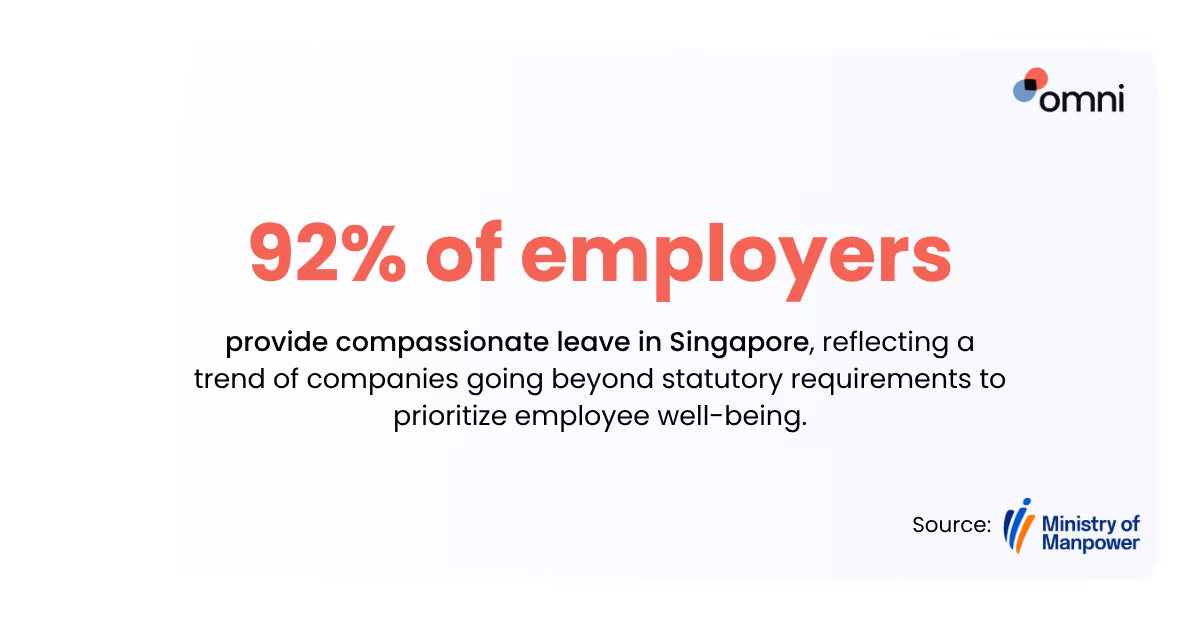
This shift is part of a broader movement whereby 74% of employers also offer marriage leave, 40% provide study leave, and up to 77% of employers support flexible work arrangements, inline with Singapore’s Tripartite Guidelines on Flexible Work Arrangement Requests. Offering compassionate leave, in particular, demonstrates empathy to grieving employees. It also strengthens employee satisfaction, loyalty, and workplace morale.
In this guide, we’ll walk you through what compassionate leave Singapore entails, who it typically covers, and how HR teams and business leaders can optimize this benefit to support staff and enhance retention.
Additional reading: HR’s Guide to Employee Leave Management
What is compassionate leave Singapore?
Compassionate leave is a discretionary benefit that allows employees to take time off work to handle personal crises, such as the death of a loved one, a life-threatening illness, accidents, or family emergencies.
While not mandated under Singapore’s Employment Act or the Ministry of Manpower, many businesses voluntarily offer two to five days of paid or unpaid compassionate leave, depending on company policy, employment contract, or the employee’s relationship to the affected family member. This support enables employees to grieve, attend funerals, and manage emotional stress while maintaining job security.
Unlike statutory leave types such as public holidays, annual leave, or sick leave, compassionate leave falls under non-statutory benefits. Employers offer it to show empathy and enhance employee well-being. Understanding where compassionate leave fits into your leave policy and how it compares to statutory entitlements can help you build a more inclusive company culture that supports talent retention goals.
For example, it complements mandatory leave types by supporting employee well-being during emotionally tough times. Additionally, it reflects company values around inclusivity, flexibility, and empathy. Ultimately, it demonstrates a commitment to work-life balance and improves your company’s reputation in the long run.
Read next: The Singapore Annual Leave Entitlement Guide
Why is compassionate leave Singapore policy important?
Compassionate leave Singapore offers tremendous benefits to both employers and employees, even though it’s not mandated. It supports employees during emotionally difficult moments, such as the death, injury, or illness of an immediate family member. It allows them to grieve, recover, and focus on personal matters without the added stress of job insecurity. This support prevents employee burnout or emotional stress, promoting a healthier work-life balance that boosts employee satisfaction.
For employers, compassionate leave Singapore demonstrates a genuine commitment to employee well-being. When staff feel supported during personal crises, they’re more likely to remain loyal and engaged, leading to lower turnover, increased efficiency and stronger trust in the company. This also directly impacts employer branding as companies that provide such empathetic policies are seen as more supportive and become more attractive to top talent. In fact, Gallup’s Employee Retention and Attraction Indicator found that pay and benefits were the leading reasons employees switch jobs, underscoring how meaningful policies like compassionate leave Singapore can be a key differentiator in today’s landscape.
Though not legally required in Singapore, compassionate leave has become a key HR practice for creating a supportive workplace culture that attracts and retains top talent. Implementing it signals your company’s commitment to building a people-centric work environment.
Read next: HR's Guide to Managing Singapore Employment
Is compassionate leave compulsory in Singapore?
No, MOM compassionate leave is not compulsory in Singapore. This means employers are not legally obligated to provide it. However, many companies offer MOM compassionate leave Singapore as part of their benefits to improve employee well-being during emotionally challenging moments.
Who is covered under ‘immediate family’?
Since compassionate leave isn't explicitly required by Singaporean law, MOM doesn’t provide specific requirements or guidelines on how employers should administer the benefit. This lack of regulation can lead to ambiguity in implementation, resulting in inconsistent approval or employee dissatisfaction. But generally, most companies grant compassionate leave Singapore for the demise of an immediate family member, such as a spouse, child, parent, or sibling.
However, the definition of "immediate family" differs across organizations. For instance, some employers choose to include grandparents as immediate family members, offering paid or unpaid MOM compassionate leave for grandparents to the bereaved. Others take a more inclusive approach by extending the coverage to extended family members or other close relatives, including aunts, uncles, in-laws, step-parents, or step-siblings. These decisions are all dependent on the company’s internal policy.
How can HR create a fair and consistent compassionate leave Singapore policy?
Employers can create structured policies for compassionate leave Singapore by setting clear internal guidelines, emphasizing its benefits, and promoting fairness across departments. Here are practical tips to ensure success:
Setting clear internal guidelines
Defining clear internal guidelines for compassionate leave helps ensure transparency and consistency across the organization. This clarity ensures employees understand what’s expected of them, minimizing confusion and potential workplace conflict.
Start by specifying eligible situations and immediate family members that qualify for compassionate leave Singapore. For example, the death or critical illness of spouses, children, parents, and grandparents. Next, define the maximum number of paid working days, conditions for unpaid extensions, and documents required when applying, such as death certificates or medical reports. Then outline the application process, including procedures for notifying managers, whether via email, Slack, or an employee self-service portal.
Finally, ensure the policy is written in plain language and included in the employee handbook. Communicate it during regular team meetings or new hire onboardings to keep all employees informed and aligned.
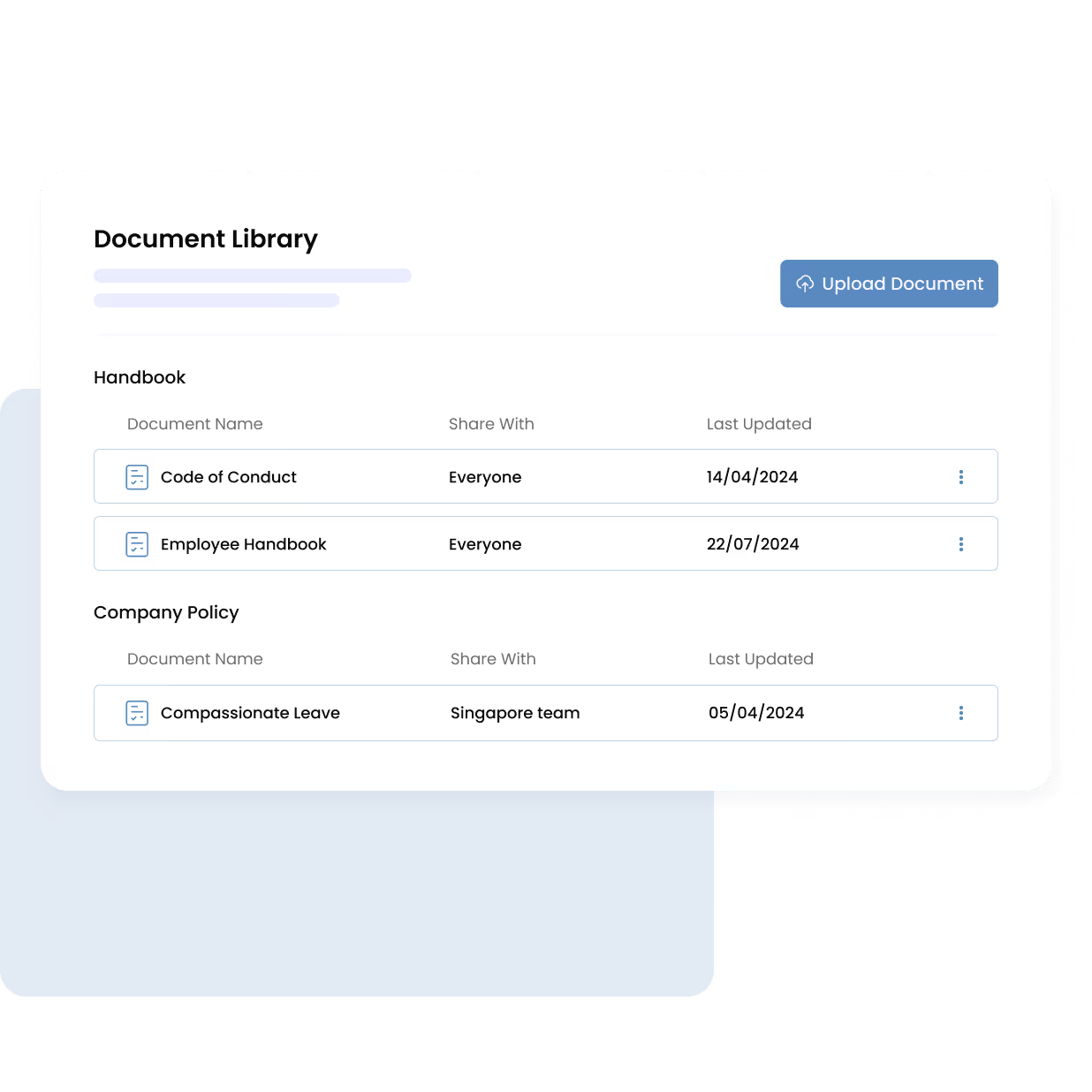
Omni’s centralized document management equips HR teams to store and organize compassionate leave Singapore policies, templates, and required documentation such as death certificates or medical reports all in one place. Automated workflows can then notify employees of missing documents, track the progress of their leave requests, and send timely reminders to ensure a smooth and efficient application process during employees’ tough times.
Emphasize inclusivity and fairness across departments
Reiterate to all employees that compassionate leave is available to everyone, regardless of role, age, gender, marital status, or level within the organization. This reinforces a culture of inclusivity, ensuring all employees feel equally supported during times of personal hardship.
Also, assign managers to handle leave requests with empathy while adhering to internal HR policies. And make all relevant documents and guidelines easily accessible to promote transparency, reducing the risk of perceived bias or favoritism that can cause employee dissatisfaction.
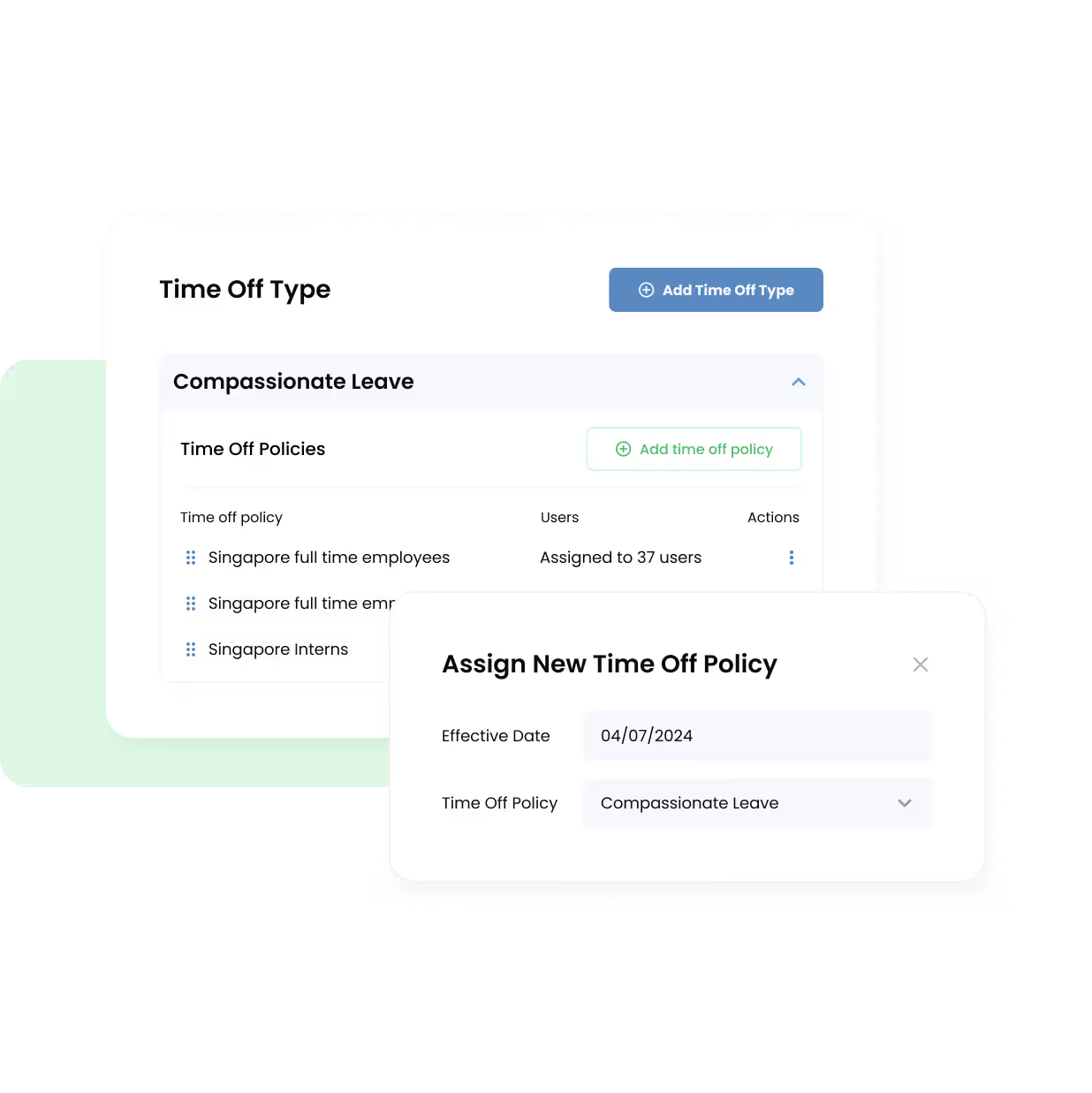
With tools like Omni’s time-off management, employees can easily apply for compassionate leave Singapore, while HR and managers can track requests and approvals in one central location, helping ensure consistency and fairness across departments.
Show how practices align with Singapore norms
Although compassionate leave isn’t mandated by Singapore law, reinforcing its value through thoughtful implementation can align your workplace practices with Singaporean norms and culture.
For example, recognizing the importance of extended family by including MOM compassionate leave for grandparents or in-laws in your policy reflects cultural mourning practices and family unity. Additionally, offering support initiatives, such as counseling services, grief resources, or condolence gifts, shows genuine care for employees’ emotional well-being and strengthens your reputation as an empathetic employer.
Managing Compassionate Leave Singapore with Omni
When it comes to compassionate leave Singapore, it’s not just a policy but a reflection of how much an organization values its people. With a thoughtful, culturally sensitive approach and ensuring fairness across roles, HR teams can foster greater trust and loyalty while promoting employee well-being and engagement.
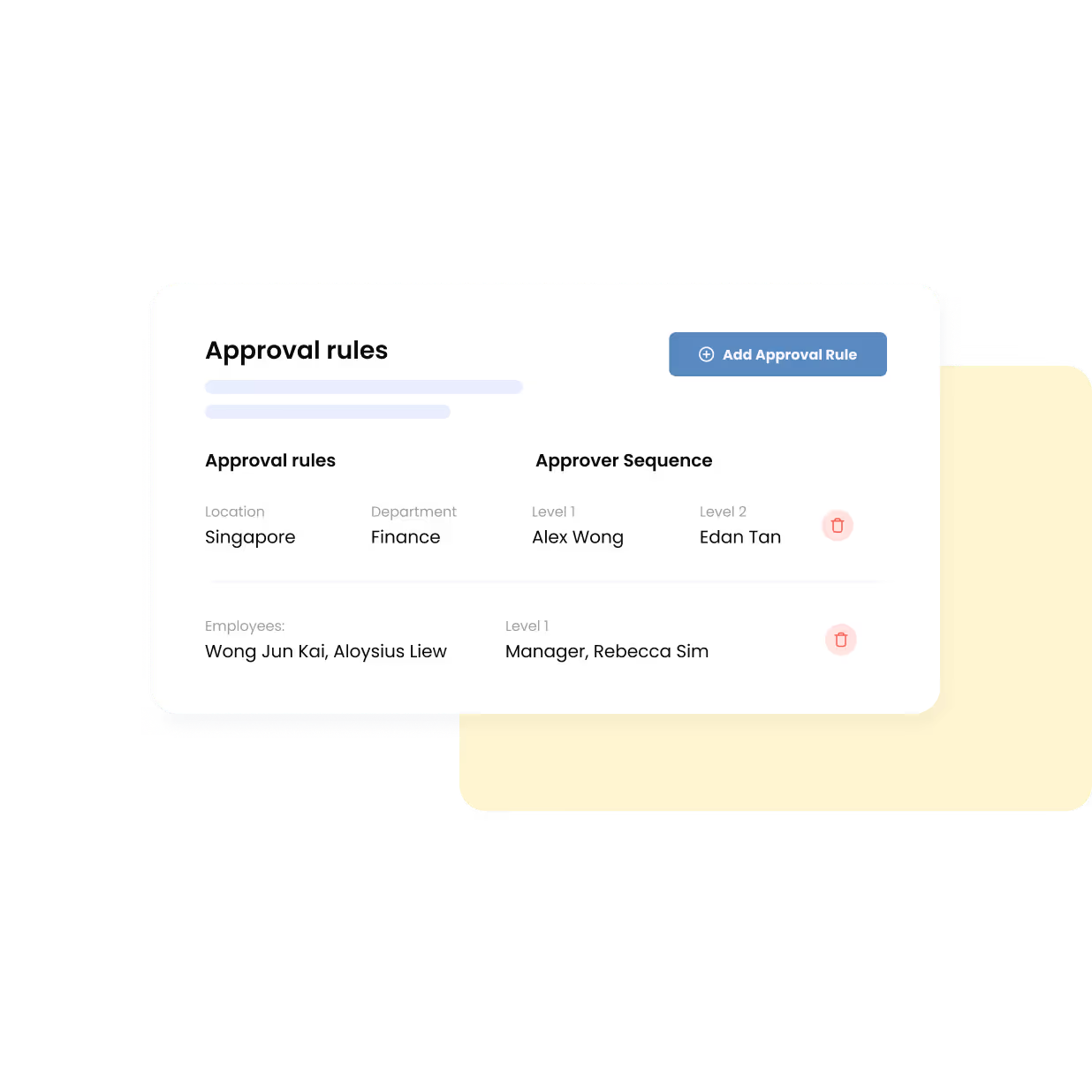
Omni’s time-off module makes this process easy for all. Employees can submit compassionate leave requests directly through self-service portals, upload necessary documents, and receive real-time updates on their application status. Managers are notified automatically thanks to our automated workflows, reducing delays and ensuring that decisions align with internal policies.
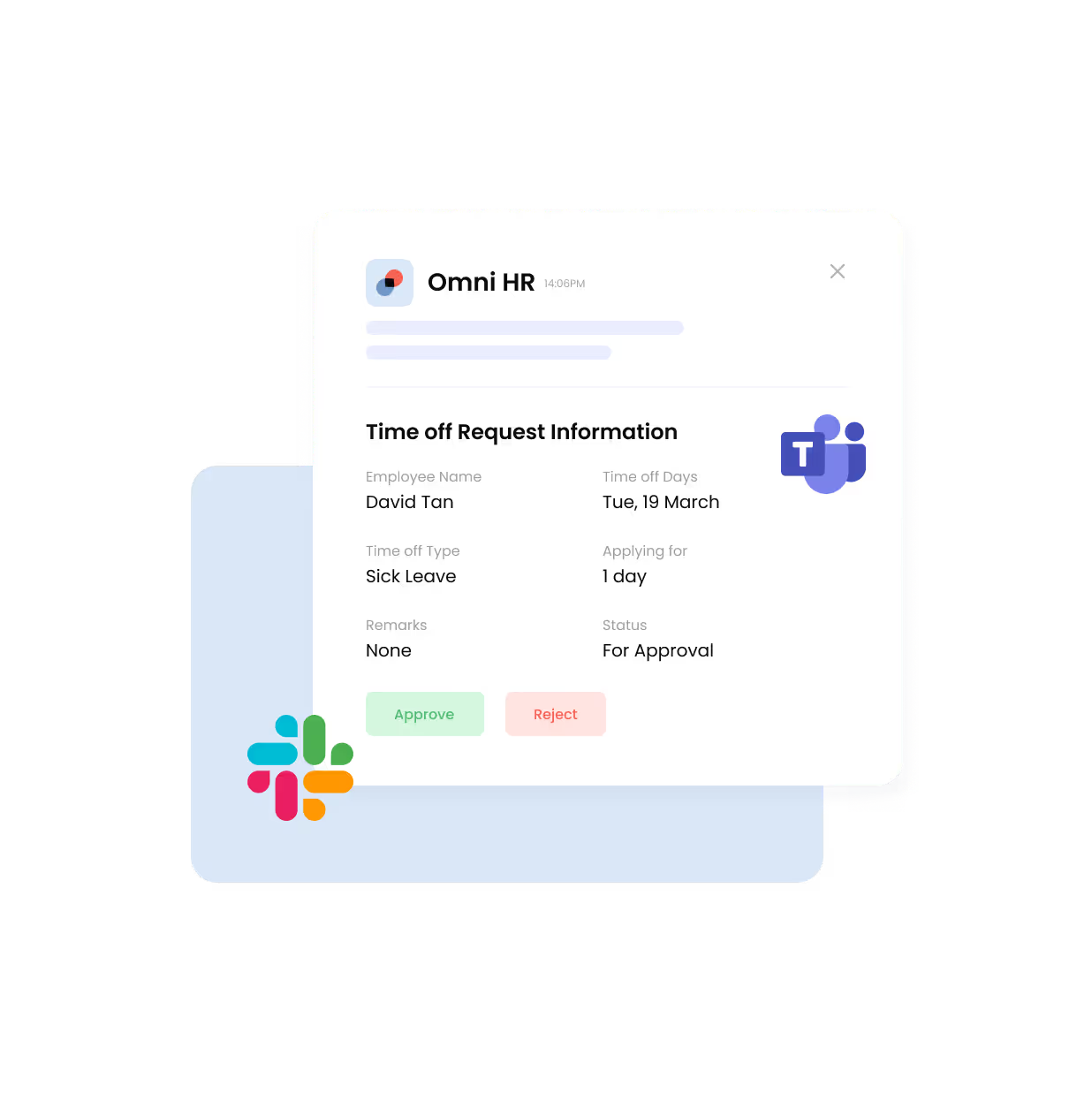
To make workflows even smoother, Omni seamlessly integrates with Slack, Microsoft Teams and Google Calendar. With this, employees can receive instant notifications, approve time-off requests, and sync leave schedules directly on their daily tools.
With full visibility into leave balances and team calendars, HR can maintain both empathy and efficiency while building a workplace culture that genuinely supports employees during difficult times. Book your product tour today to learn more!