

















.png)
Summary. An effective HR audit helps organizations identify compliance gaps, optimize processes, and strengthen their people strategies. This guide walks through key focus areas ranging from employee data and legal compliance to compensation, onboarding, performance management, and culture. By reviewing systems, workflows, and analytics at every stage, HR teams can uncover hidden inefficiencies, ensure cross-border compliance, and build a stronger employee experience. With the right tools and structure, HR audits become a strategic advantage—not just a checkbox for compliance.
Starting a new HR role can feel overwhelming—you're inheriting systems, policies, and processes that may have been in place for years (or never set up). Before you can make meaningful improvements or strategic decisions, you need to understand what you're working with. This comprehensive HR audit checklist will help you systematically evaluate your organization's HR foundation and identify areas that need immediate attention.
Utilize this checklist and action plan to tackle your first 8+ weeks in your new HR role and set the foundation for a meaningful and successful People management experience.
What is an HR audit?
An HR audit is an objective and systematic examination of your organization’s existing HR policies, practices, and procedures. Its goal? To identify compliance gaps, inefficiencies, and opportunities to improve, so you can build a compliant and scalable HR foundation that puts your employees first.
HR audit processes can be conducted internally or outsourced to a third party; regardless of the chosen method, they are a critical step toward fostering a strategic, future-ready HR function.
Why are HR audits important?
1. Minimize compliance risks and avoid costly penalties
In 2023, compliance costs in APAC hit US$45 billion, with 98% of financial institutions reporting rising regulatory pressure. This pressure is spreading beyond finance, with HR now under the microscope.
Whether it’s labor law violations, data privacy issues, or outdated employment contracts, non-compliance can lead to hefty fines and reputational damage.
An HR audit helps to:
- Spot missing or outdated contracts or HR policies.
- Ensure your practices align with the latest regulations (especially in multi-country teams).
- Proactively address risks before they escalate.
2. Strengthen HR processes and boost efficiency
Beyond compliance, an HR audit process cleans up legacy workflows and streamlines operations by:
- Identifying outdated policies, inconsistent SOPs, and missing documentation.
- Reveal inefficiencies like duplicate data entry or bottlenecks.
- Uncover opportunities for automation (e.g., onboarding, leave tracking)
This creates a clear roadmap for process improvement, allowing HR teams to save time on repetitive tasks, create smooth handoffs across departments, and respond faster to workforce needs and business changes.
3. Enhance employee experience and enable strategic HR
Trust and fairness are at the core of a positive employee experience, and HR audits can help to reinforce both. A survey by PwC Malaysia and Asia School of Business found that 83% of employees who perceive unfair treatment distrust their employer. This trust gap hurts retention and engagement.
HR audits help to assess pay equity and promote fairness, check consistency in disciplinary practices and performance reviews, and ensure company policies are applied consistently across the board.
When done well, HR audit processes can help you build employee trust, boost retention, and position HR as a credible, strategic function in your organization.
Learn more: Understanding and Addressing Internal Equity
Are all HR audits created the same?
Just like how all companies operate differently, the HR audit process varies depending on the scope, purpose, and organization size.
Most organizations conduct one or more of the following types of HR audits:
- HR compliance audits: focus on legal and regulatory compliance.
- HR best practices audits: assess HR policies against industry benchmarks.
- HR strategic audits: to align HR practices with business goals and objectives.
The type of HR audit you choose depends on your priorities, with many companies using a mix of all three for a comprehensive review.
Below, we share a step-by-step HR audit checklist that guides you through the process on what to review, red flags to watch out for, and how Omni helps streamline and consolidate the process to ensure an efficient HR audit process.
Phase 1: Immediate Priorities (Week 1-2)
An HR audit is a long-running process; therefore, it’s important to plan and strategize accordingly. Research suggests that tackling low-hanging fruit early on can help build positive momentum and boost team confidence when tackling a large project like an HR audit. That’s why the first phase of our HR audit checklist focuses on immediate priorities like employee data management and legal compliance.
These areas may seem basic, but they form the foundation of a well-functioning HR system. By ensuring your data is accurate and your practices are compliant from the start, you significantly reduce the risk of errors later in the audit HR process and set yourself up for a smooth audit in the next phases.
Employee Data & Record Keeping
Most labor laws require proper documentation of employment contracts, leave tracking, working hours, salary payments, and termination processes. Accurate employee data and complete records can help HR respond quickly to government audits, employee disputes, or internal reviews.
The HR audit should focus on verifying data accuracy, assessing data retention policies, reviewing HRIS and file storage systems security, evaluating compliance, and mitigating future risks.
What to Review:
- Employee files completeness (contracts, personal info, emergency contacts)
- Data security protocols and access controls
- Backup systems and data recovery procedures
- GDPR/data privacy compliance measures
Red Flags to Watch For:
- Missing or incomplete employee records: Inaccurate information and documentation can lead to non-compliance with labor regulations and difficulty proving employment history or entitlements, leaving the company exposed to legal disputes.
- Inconsistent file organization: Documents stored in different locations increase the risk of overlooking critical information or duplicating data, creating confusion during reviews or internal transfers, and hindering HR audit processes.
- Outdated personal information: Inaccurate employee data like emergency contacts and bank details can lead to payroll errors and reporting, and impact HR’s ability to respond quickly in emergencies.
- Lack of data backup systems: Your system is at risk of data loss and operational downtime due to system failures, human error, or cyberattacks, and potential non-compliance with data retention laws.
Quick Assessment Questions:
- Can you locate any employee's complete file within 5 minutes?
- Are digital records password-protected (or access-controlled) and regularly backed up?
- When was employee data last updated organization-wide?
How Omni Helps HR Seamlessly Manage Employee Records
Omni’s secure and centralized employee database allows HR teams to swiftly access up-to-date employee information such as employment contracts, emergency contacts, bank information, and other essential information within minutes.
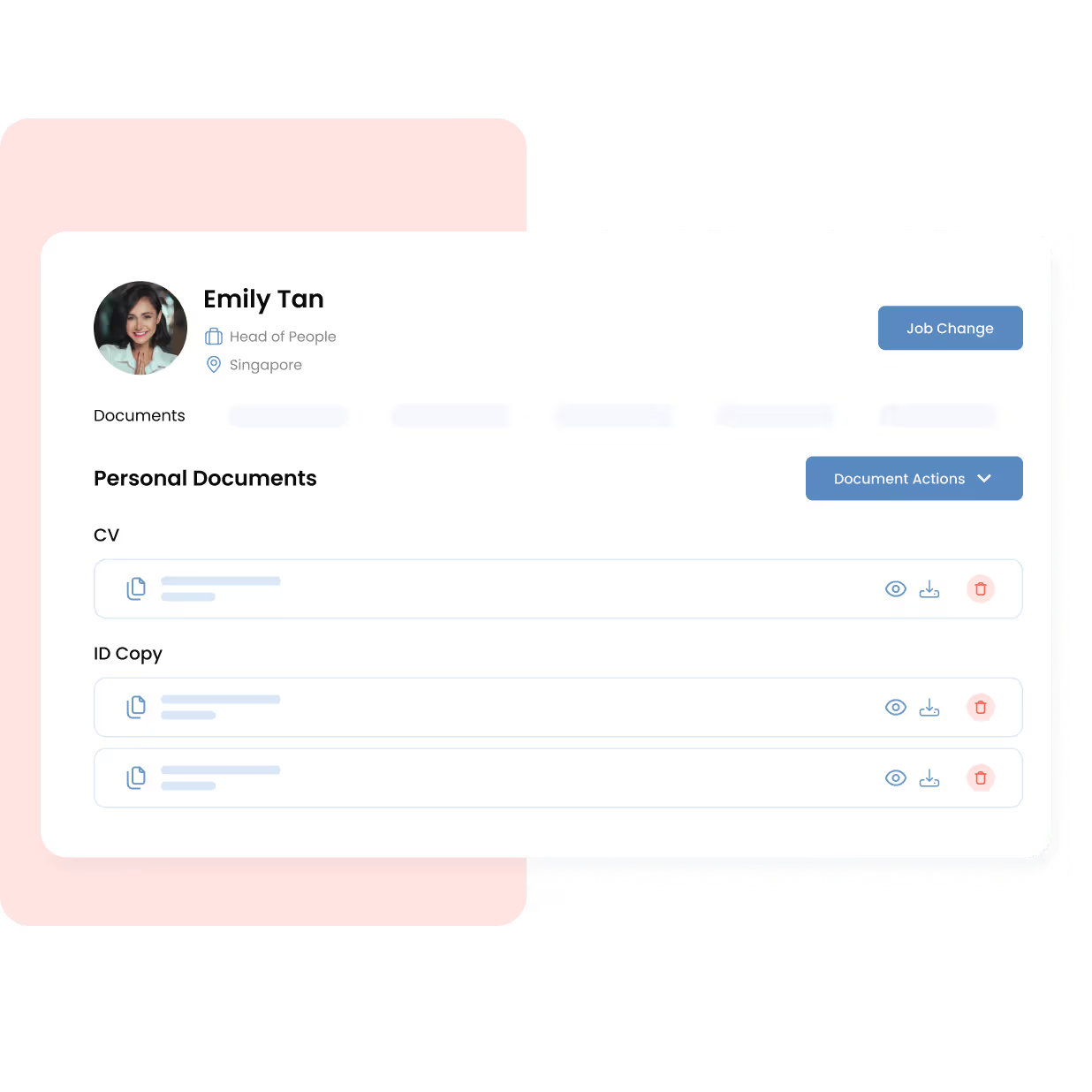
With automated reminders and custom workflows, HR can prompt employees to update records and submit required documents on time, reducing the need for manual follow-ups. Real-time visibility into employee data also makes it easier to prepare for HR audits, respond to compliance checks, and resolve any internal queries efficiently.
“Whenever we need to gather employee data, we can pull the information directly from Omni and get any metric we require. It's as simple as that.”
— Rhoanne Therese Jamelo, HR Generalist at ScaleForge
Read ScaleForge’s full story now
Legal Compliance Basics
Labor laws and employment regulations are constantly changing, making continuous compliance essential, especially for multi-country teams.
Regular HR compliance audits help flag risks early and ensure that your policies, contracts, and employment practices stay up to date with regulations.
What to Review:
- Payroll compliance and mandatory contributions (e.g., CPF, EPF, social security)
- Employee visa status and work permit renewals
- Multi-country tax obligations and withholding requirements
- Local labor law compliance across operating jurisdictions
Red Flags to Watch For:
- Expired or soon-to-expire work permits: Failing to adhere to visa and permit renewal timelines can result in unauthorized employment, legal penalties, and operational disruptions.
- Missed mandatory contribution deadlines: Missing statutory deadlines such as the CPF, EPF, or other mandatory contributions may lead to fines, back payments, and potential audits from government agencies.
- Inconsistent payroll practices across countries: Variations in salary calculations, tax deductions, or benefits processing can create compliance gaps, employee frustration, and difficulty maintaining accurate payroll records across multiple jurisdictions.
- Gaps in local labor law knowledge: Limited understanding of country-specific employment laws can lead to outdated HR policies, non-compliant contracts, and exposure to legal disputes during audits or terminations.
How Omni Keeps HR Compliant

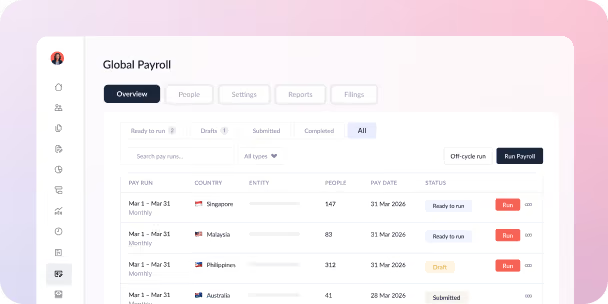
Omni helps teams stay HR audit-ready and compliant across borders with a fully integrated system that stores all employee data, documents, and payroll in one centralized location. From securely storing employment contracts and visa records to tracking validity and automating renewal reminders, Omni ensures every compliance requirement, such as valid work permits and accurate mandatory contributions, is met.
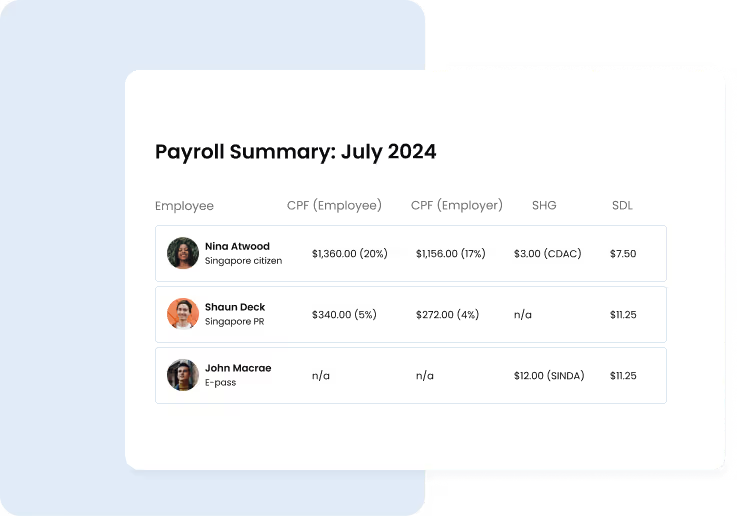
Over to payroll processing, custom fields, and multi-country payroll automation make it easy to manage varying requirements regardless of country and currency, whether it be Malaysia’s EPF, Singapore’s CPF, or Hong Kong’s MPF, and tax contributions.
Check out our additional resources:
- Comprehensive Guide to Global HR Compliance
- APAC Compliance Guide for FinTech HR Teams
- Compliance Without Complexity: Managing Multi-Country HR Operations
- Free download: APAC Payroll Compliance Checklist
Phase 2: Policy & Procedure Deep Dive (Week 3-4)
Now that your data and compliance foundations are in place as part of an ongoing effort from Phase 1, Phase 2 shifts the focus to reviewing the employee handbook, HR policies, and compensation and benefits structure.
Employee Handbook & Policies
Review employee handbooks and core HR policies to ascertain whether they are up-to-date, legally compliant, and communicated across the organization. Consistent, well-documented policies are the first step to reducing ambiguity and confusion, creating a fair and transparent people practices across the board.
What to Review:
- Last revision date of the employee handbook
- Policy consistency across departments
- Alignment with current employment laws
- Accessibility and distribution methods
Evaluation Checklist:
- Are policies written in clear, accessible language?
- Do policies reflect actual company practices?
- Are there gaps in coverage for remote work, social media, or other modern workplace issues?
- How are policy updates communicated to employees?
Get our free Employee Handbook template
Compensation & Benefits Structure
Assess your existing compensation and benefits framework to confirm that they are aligned with updated local laws such as minimum wage, overtime pay, as well as internal equity standards. A clear and compliant structure promotes transparency, boosts employee retention, and reduces legal and operational risks.
What to Review:
- Pay equity analysis across roles and demographics
- Benefits enrollment and administration processes
- Overtime calculation and approval workflows
- Performance review and salary adjustment procedures
Additional reading: The Pay Parity Guide for HR
Key Questions to Ask:
- When was the last compensation review conducted?
Regular compensation reviews help keep salaries competitive and aligned with industry standards, preventing underpayment or budget inefficiencies, leading to better employee morale and retention.
- Are benefit costs competitive with industry standards?
Evaluating benefit costs ensures your offerings remain attractive to employees while managing budget constraints.
- How transparent is the promotion and raise process?
Transparent and standardized promotion criteria build employee trust and reduce the potential for bias during reviews or unfair disputes.
- Are there any pending benefit claims or disputes?
Addressing any outstanding claims or disputes promptly helps avoid potential compliance issues and employee dissatisfaction.
How Omni Manages Benefits and Compensation
Omni’s all-in-one HR software empowers HR teams to manage compensation and benefits administration in confidence.
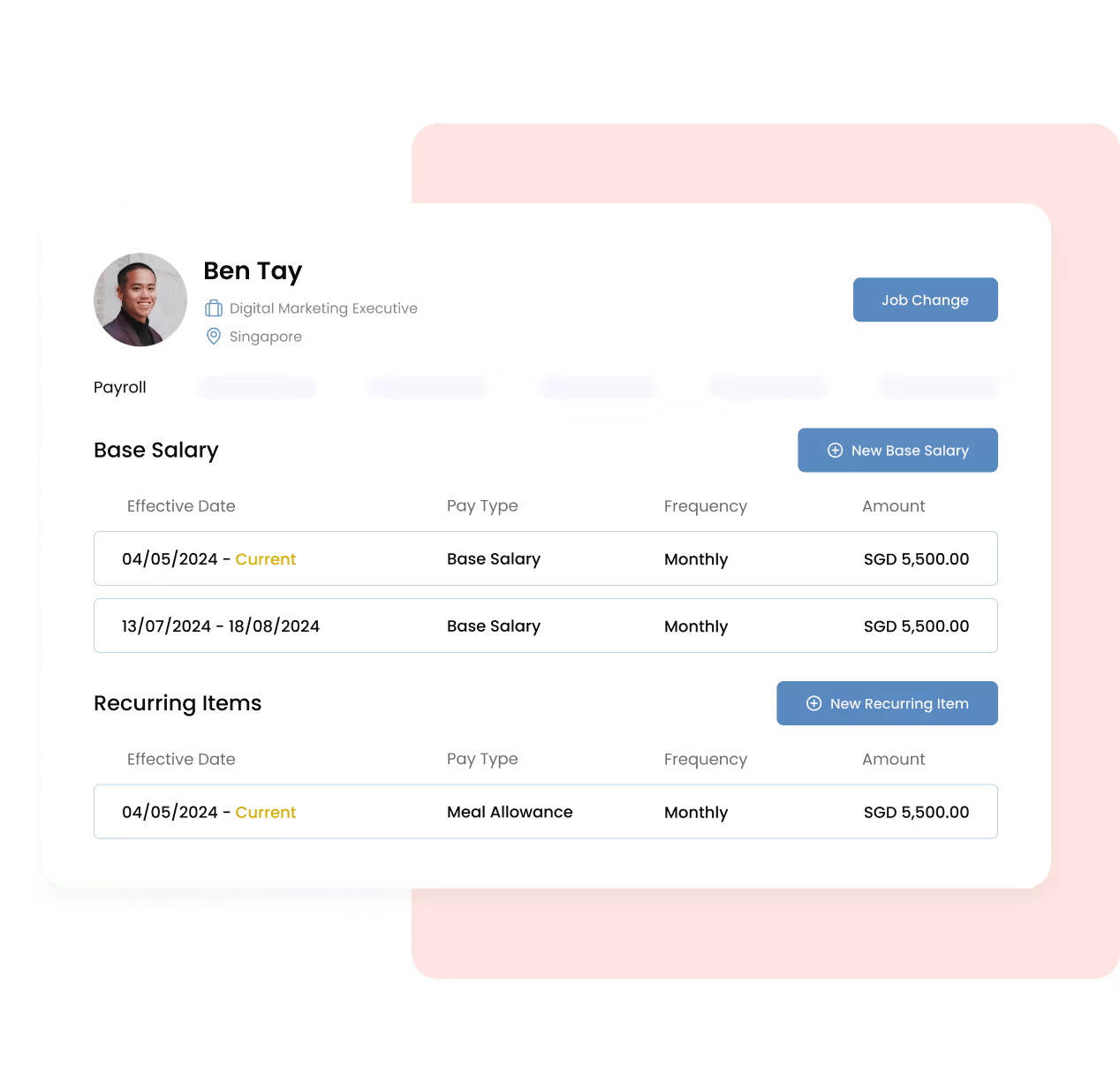
With our local payroll automation, support for multi-country and multi-currency payments, and built-in statutory calculations such as CPF, EPF, and MPF, Omni ensures employee salaries, bonuses, and contributions are processed accurately each time.
Customizable workflows further streamline approvals for salary adjustments due to inflation or promotion, benefit enrollments, and claims, while real-time reports and analytics provide clear visibility into compensation trends, cost breakdowns, and potential compliance gaps.
From structured pay frameworks to region-specific benefit tracking, Omni consolidates every aspect of your compensation and rewards strategy in one secure and scalable system.
Phase 3: Process Efficiency Analysis (Week 5-6)
With your policies and compensation structure reviewed, Phase 3 of this HR audit checklist focuses on evaluating the efficiency and consistency of your HR processes. Streamlined processes not only help you save valuable time and reduce manual administration, but they also foster a better employee experience.
Recruitment & Onboarding
For growing teams, an effective recruitment and onboarding process makes a huge difference. Assess how well your structures in place are in supporting a consistent and compliant hiring experience for all. Look for potential delays, ambiguous instructions, or manual bottlenecks that may hinder or negatively impact candidate experience.
What to Review:
- Time-to-hire metrics and hiring pipeline
- Onboarding checklist and new hire experience
- Interview process consistency and bias prevention
- Offer letter templates and approval workflows
Process Efficiency Audit:
- Map the current hiring process from job posting to first day
A thorough understanding of the hiring journey helps you identify potential roadblocks and inconsistencies while ensuring compliant hiring practices.
- Identify bottlenecks and unnecessary steps
Pinpointing delays or redundancies helps refine workflows, reduce time-to-hire, and improve overall recruitment efficiency.
- Review candidate feedback and hiring manager satisfaction
Gathering input from candidates provides insight into strengths and weaknesses in your hiring process, making it easier to foster a positive candidate experience while meeting internal team needs.
- Assess onboarding completion rates and new hire retention
Low completion or retention rates may signal onboarding gaps or unmet expectations, making them key areas to prioritize for better employee engagement and long-term retention.
Get our complete onboarding checklist here
How Omni Streamlines Onboarding
Omni streamlines your onboarding process to ensure a consistent and compliant candidate experience.
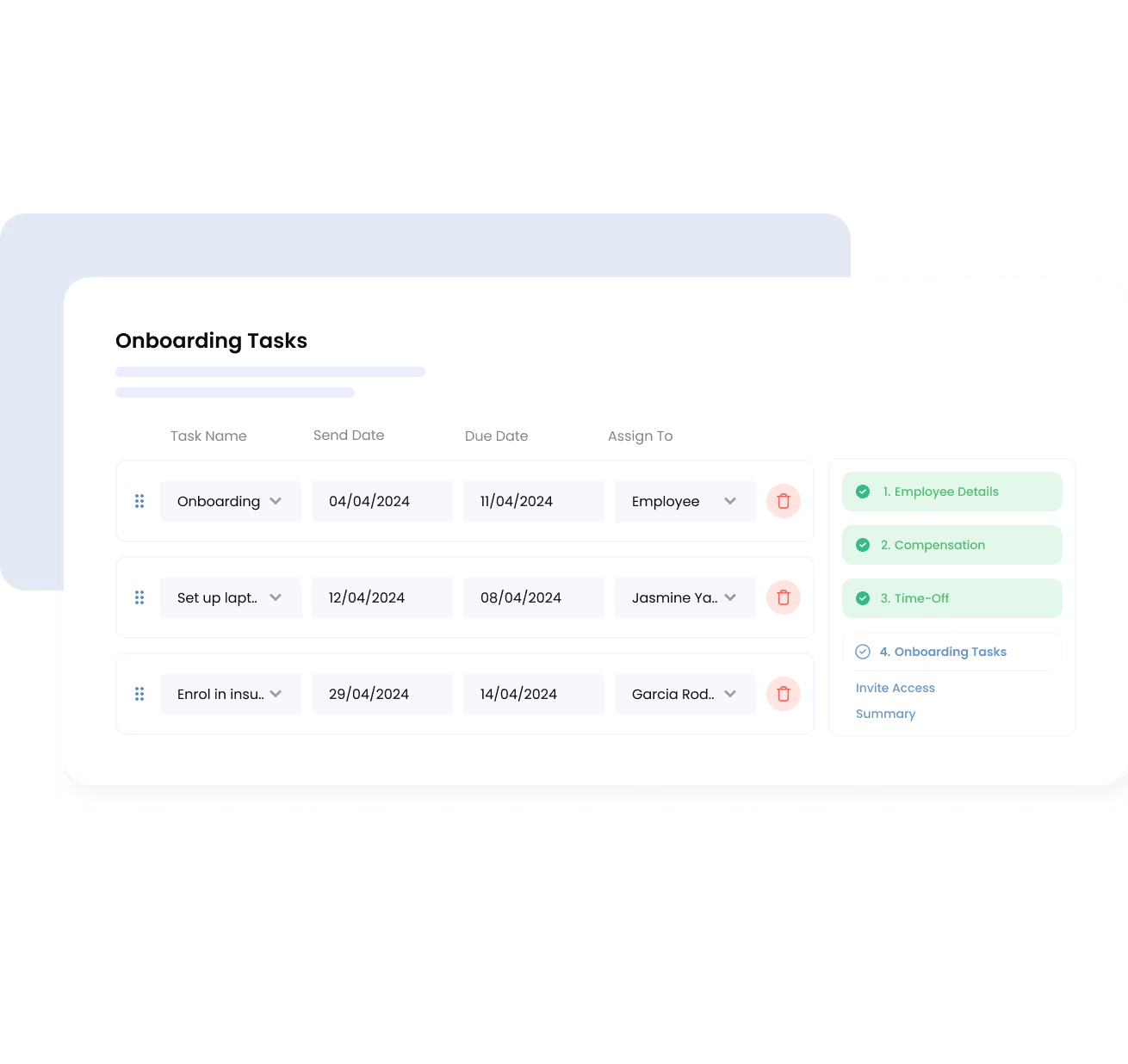
HR teams can assign onboarding tasks in bulk through customizable templates, automated reminders, and track progress in real-time with centralized dashboards - making it easy to stay on top of the recruitment and onboarding process.
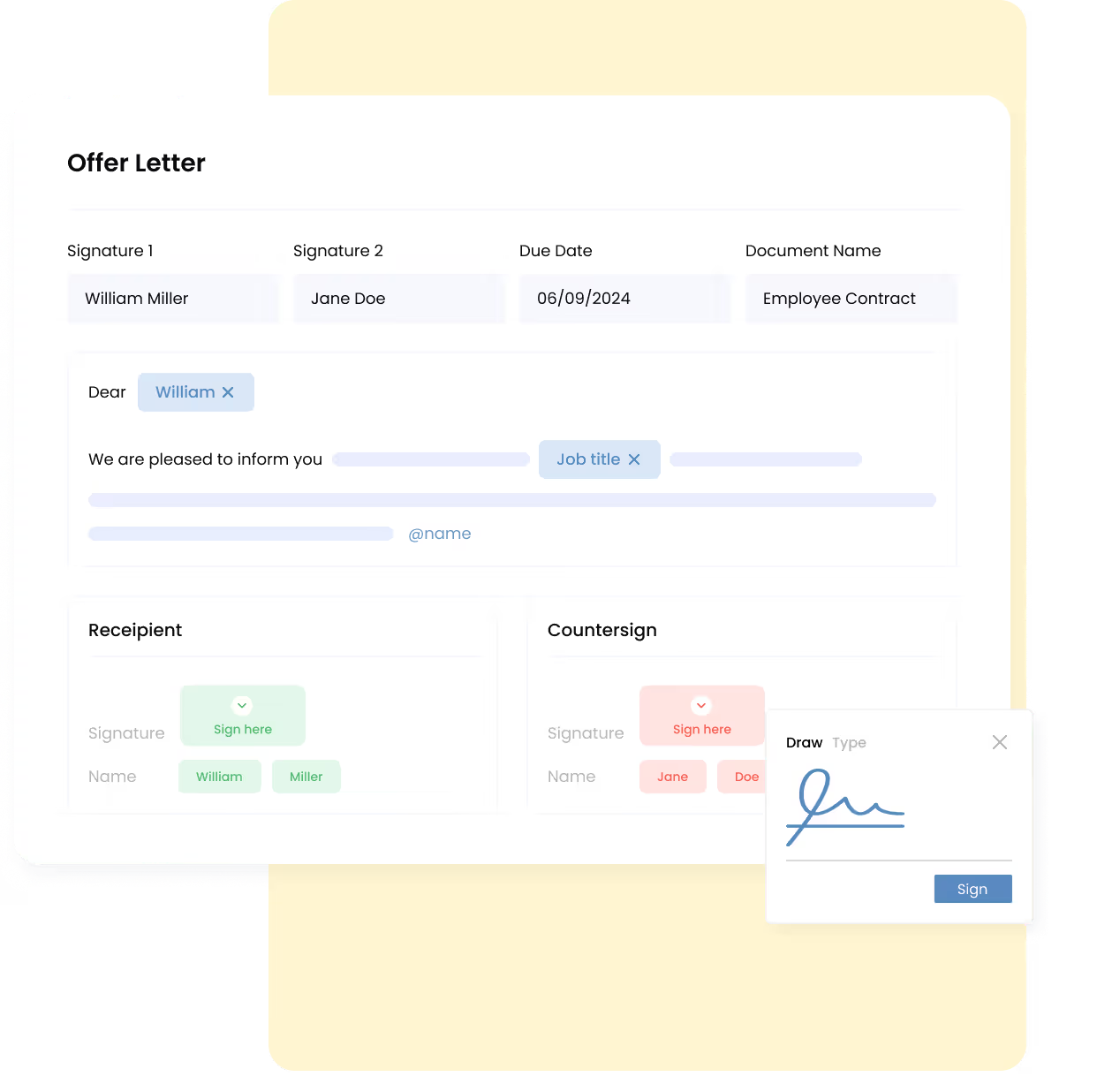
From digital document collection and e-signatures to automated communications and approval workflows, Omni removes the risk of manual errors and ensures new hires are integrated through the entire onboarding process, no matter where they are. With built-in audit trails and progress reports, HR teams can easily assess onboarding effectiveness and retention during HR audits, supporting continuous improvement.
"Thanks to Omni, our onboarding process has become quick and easy! The automated workflows and streamlined data management have made our HR procedures seamless, and we can manage employee records with just a few clicks."
— Wiji Mulyati, Engagement & Experience Lead at Ajaib
Check out our additional resources on onboarding:
- Optimize your Onboarding: 8 Tips to Increase Employee Retention
- Free download: 38 In-Depth Onboarding Survey Questions for New Hires
Performance Management
Evaluate the structure and consistency of your performance review process. It’s important to establish clear frameworks, document goals, and set up feedback loops to help drive accountability, align teams, and get critical insights into workforce planning.
What to Review:
- Performance review cycle timing and participation rates
- Goal-setting and tracking mechanisms
- Manager training on performance conversations
- Connection between performance and compensation decisions
Critical Evaluation Points:
- Are performance reviews completed on time?
Timely reviews ensure consistent feedback cycles, promote employee growth, and highlight accountability in performance management practices.
- Do employees understand their goals and how they're measured?
Clear goals and metrics align individual performance to business objectives and reduce confusion, misalignment, or disengagement.
- Is there a clear process for addressing underperformance?
A structured approach to underperformance protects the organization from potential legal disputes while ensuring fairness and transparency.
- How are high performers recognized and retained?
Recognizing and rewarding top talent boosts employee morale, encourages retention, and strengthens succession planning efforts.
Download your total performance review kit
How Omni Boosts Performance Management
Omni’s customizable performance review feature allows managers to design performance review templates to apply to various employee performance assessments, track employee submissions, and derive critical insights to drive business decisions all on one centralized platform.

Pre-set performance review templates further guide teams on how to write a performance review.
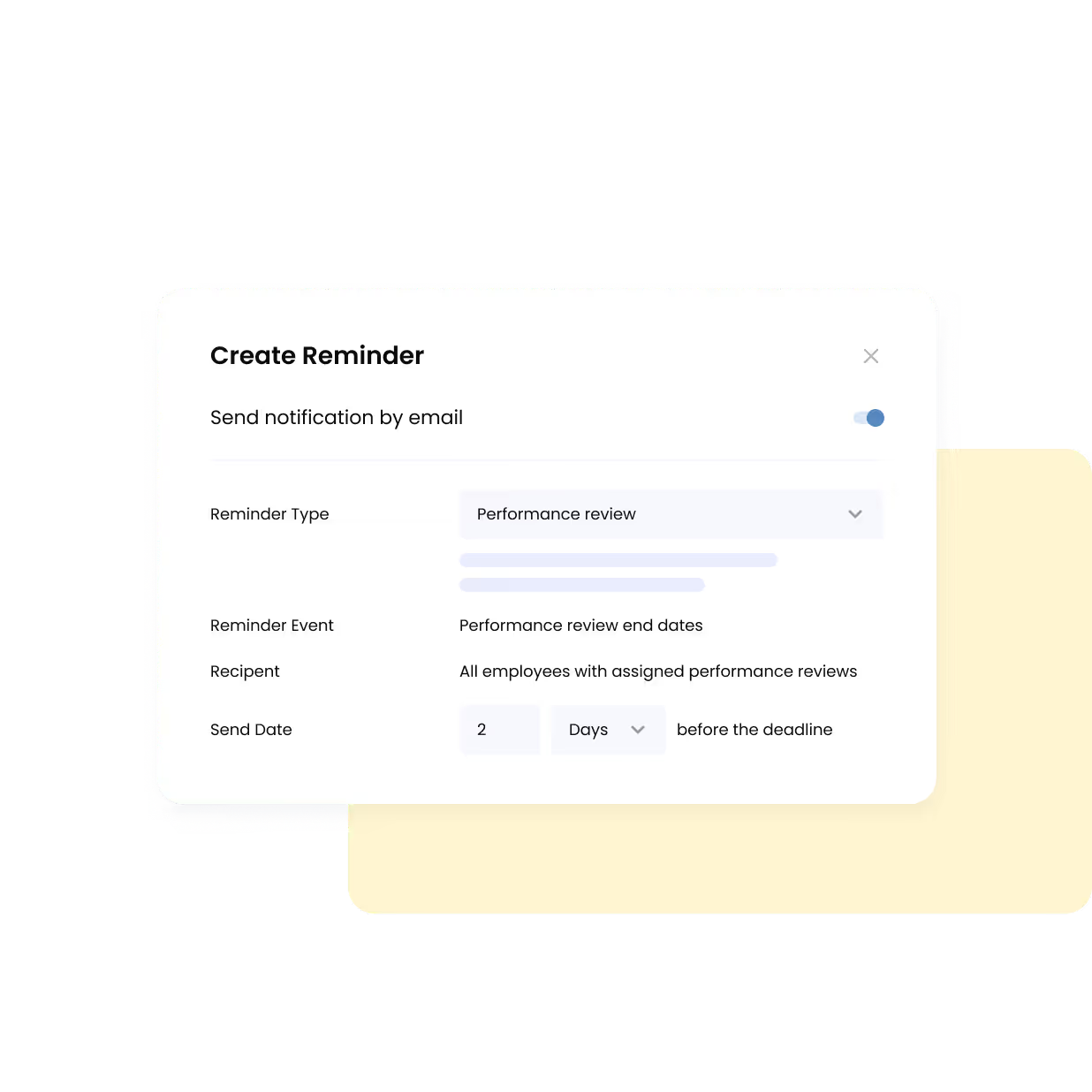
Our automated system helps managers schedule reviews, track submissions, and send reminders to ensure a complete review cycle without the administrative burden.
Phase 4: Technology & Systems Assessment (Week 7-8)
As your HR audit process progresses, it’s time to assess whether your HR technology is keeping up with your needs. Inefficient or disconnected systems can bog down workflows, hinder data accuracy, making HR audits and compliance management difficult.
This phase of the HR audit checklist focuses on evaluating how well your current tools support automation, data collection, and decision-making, laying the groundwork for a more agile and tech-enabled HR team.
Current HR Technology Stack
What to Review:
- HRIS system capabilities and utilization
- Integration between different HR tools
- User adoption rates and satisfaction
- Data accuracy and reporting capabilities
- Cost analysis for various systems
Technology Audit Questions:
- Which HR tasks are still manual that could be automated?
Uncover inefficiencies and opportunities to streamline manual processes, reduce errors, and free up HR capacity for other initiatives.
- Are employees and managers using the systems in place?
Low adoption rates may indicate poor user experience or lack of training, limiting your HR tools' impact and ROI.
- How much time is spent on data entry versus strategic work?
A high administrative burden could indicate that HR teams are stuck in low-value tasks, preventing focus on strategic work that can drive business impact.
- What are the biggest technology-related frustrations?
Understanding pain points helps prioritize improvements and ensures your systems support instead of hindering daily operations.
- Can you consolidate your tools?
Disconnected systems can lead to data silos, integration issues, and rising costs. Consolidating your HR tech stack not only promotes efficiency but also improves data consistency and simplifies compliance.
Learn more: HRMS Software Guide: Features, Checklists, and Benefits
Reporting & Analytics
An essential part of an HR audit is being able to retrieve accurate, real-time data and insights. Assessing whether your current systems in place can provide this is critical. Robust analytics are also used for compliance, strategic workforce planning, and helping your team move from reactive to a strategic business partner.
What to Review:
- Available HR metrics and KPIs
- Reporting frequency and distribution
- Data visualization and accessibility
- Decision-making based on HR data
Analytics Maturity Check:
- What HR data is currently being tracked?
Having a good understanding of what data exists reveals gaps in visibility and helps ensure you are capturing the right information you need to make an informed decision.
- How often are reports generated and reviewed?
Regular reporting enables timely insights, improves responsiveness, and supports ongoing compliance and workforce planning.
- Are insights from data driving actual business decisions?
When decisions are made based on accurate information, HR becomes a strategic business partner, improving outcomes in areas like employee retention and engagement and budgeting.
- What questions could be answered with better data?
Identifying unanswered questions indicates the need for a better data infrastructure or reporting capability to meet evolving business needs.
Key Analytics to Establish:
- Employee turnover rates and patterns by department/location
Tracking turnover patterns identifies retention risks and uncovers root causes specific to teams or regions.
- Headcount trends and attrition analysis over time
Monitoring workforce growth and departures over time supports long-term planning and improve hiring strategy.
- Job and compensation history tracking
Maintaining a clear record of role and salary changes ensures transparency, equity and HR audit readiness.
- Diversity, equity, and inclusion (DEI) demographic insights
Analyzing DEI data tracks progress on inclusion goals and addresses representation gaps within the organization.
- Custom KPI dashboards for leadership and management teams
Tailored dashboards equip leaders with real-time insights to make informed decisions at every level.
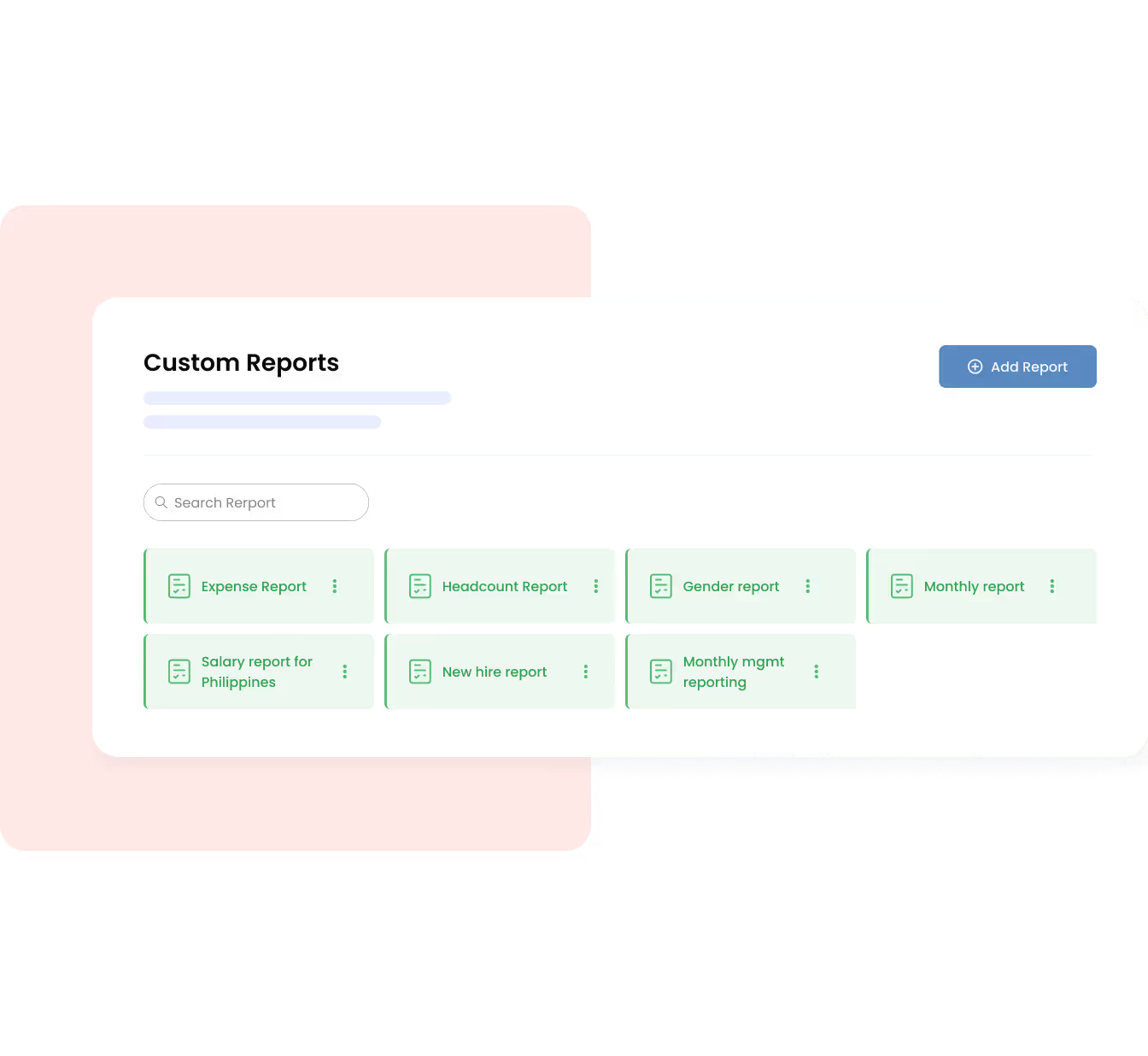
How Omni Empowers Reporting and Analytics
Omni helps HR teams stay audit-ready and compliant all year round. With customizable dashboards and real-time data tracking, you can easily monitor key metrics like headcount changes, payroll accuracy, leave usage, and attrition trends.
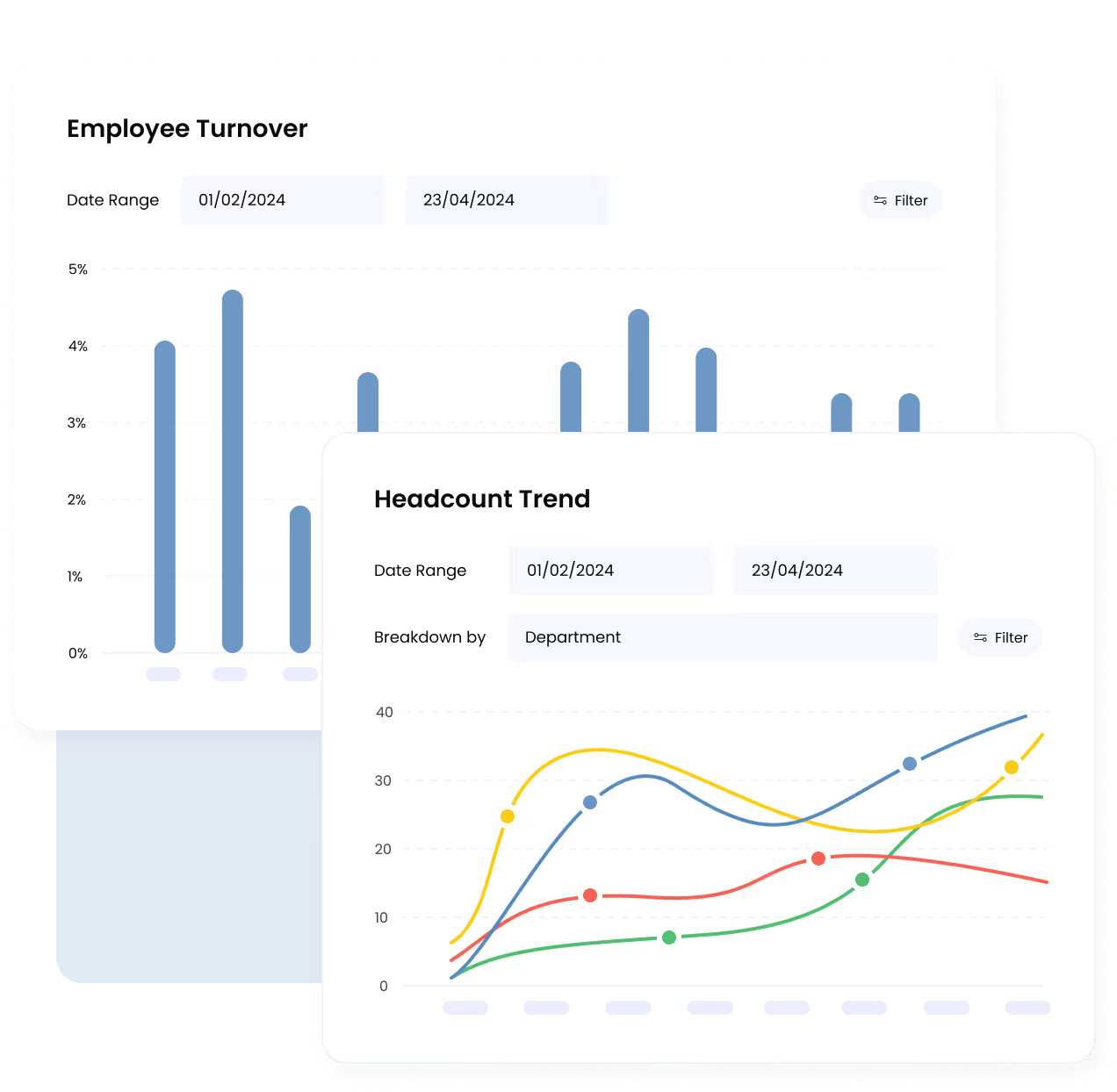
Export-ready reports ensure you are prepared for both internal reviews and external HR audits, reducing the burden of manual work and improving data accuracy.
Whether you’re trying to verify policy compliance as part of an HR compliance audit, identifying gaps in DEI representation, or reviewing compensation and benefits history, Omni centralizes your data and surfaces insights that make the HR audit process seamless, reliable, and efficient.
Phase 5: Culture & Employee Experience (Ongoing)
The final phase of your HR audit checklist is to focus on the people behind your processes - your employees. Evaluating company culture, engagement, and leadership effectiveness ensures your HR strategy fosters a healthy, high-performing workplace.
These insights are crucial during your HR audit for retaining talent, boosting morale, and fostering long-term success.
Additional resource: The Definitive Guide to Company Culture
Employee Engagement & Satisfaction
Determine how connected and supported employees feel through employee surveys, feedback channels, and engagement data. High engagement is closely tied to productivity, retention, and overall business performance.
What to Review:
- Recent employee survey results
- Turnover rates and exit interview themes
- Internal communication effectiveness
- Recognition and reward programs
Cultural Health Indicators:
- Employee Net Promoter Score (eNPS)
eNPS measures overall employee sentiment and loyalty, creating a clear picture of how employees are likely to recommend your organization as a place to work.
- Voluntary turnover rates by department
High turnover suggests cultural and managerial issues that require attention to improve retention and engagement.
- Internal promotion rates
Tracking promotion rates assesses whether employees are growing within the organization and if development opportunities are being distributed fairly.
- Participation in company events and initiatives
Low participation may reflect disengagement or a lack of connection to company culture.
Manager Effectiveness
What to Review:
- Manager training programs and participation
- Employee feedback on direct supervisors
- Consistency in management practices
- Support systems for new managers
Creating Your Action Plan
Prioritization Framework
High Priority (Address Immediately):
- Legal compliance gaps
- Data security vulnerabilities
- Missing or incomplete employee records
- Overdue government filings
Medium Priority (Address Within 30 Days):
- Process inefficiencies are causing employee frustration
- Outdated policies and procedures
- Technology gaps affecting productivity
- Manager training needs
Low Priority (Address Within 90 Days):
- Nice-to-have system improvements
- Enhanced reporting capabilities
- Cultural enhancement initiatives
- Long-term strategic planning
Documentation & Communication
Create a findings summary that includes:
- Current state assessment
- Identified gaps and risks
- Recommended improvements with timelines
- Resource requirements and budget implications
- Quick wins that can be implemented immediately
Getting Leadership Buy-In
Present your findings with:
- Clear business impact of identified issues
- Cost-benefit analysis of recommended solutions
- Phased implementation plan
- Success metrics and milestones
Additional reading: Your Guide to Successfully Pitching HR Software to Leadership
Building Your HR Transformation Plan
A thorough HR audit sets the foundation for everything you'll accomplish in your new role. By systematically reviewing these areas, you'll not only identify immediate risks and opportunities but also demonstrate your strategic value to the organization. Remember, this audit isn't about finding fault with previous work—it's about understanding your starting point so you can build a more efficient, compliant, and employee-focused HR function.
Use this checklist as your roadmap, but adapt it to your organization's specific needs and industry requirements. The goal is to move from reactive to proactive HR management, giving you the insights and confidence to make data-driven decisions that support your team's growth and success.
How Omni Supports Your HR Audit:
- Centralized employee records and document management for easy access and audit readiness.
- Localized payroll automation with multi-currency support, statutory compliance, and generate instant reports.
- Custom workflows and reminders for onboarding, terminations, and HR processes to reduce manual errors.
- Real-time dashboards and exportable reports for insights into headcount, turnover, compensation, and DEI.
- Performance and goal tracking to monitor employee development and review cycles.
- Integrated all-in-one platform that eliminates disconnected systems and simplifies HR operations.
Book your product tour with our team today to learn how Omni can help consolidate and streamline your HR audit process.



.avif)
.avif)