5 Signs Your Company Has an Attrition Problem

8
min Read
8
min Read
Save this article for future use
Download PDF

Summary. A growing attrition problem is often signaled by patterns such as repeated feedback in exit interviews, rising employee attrition in specific teams or early tenure stages, and the loss of top performers. Declining engagement scores and hiring that fails to increase overall headcount further highlight underlying issues. Understanding the attrition rate meaning and tracking changes in attrition rate over time helps uncover root causes like poor management, ineffective onboarding, or limited growth opportunities before attrition escalates.

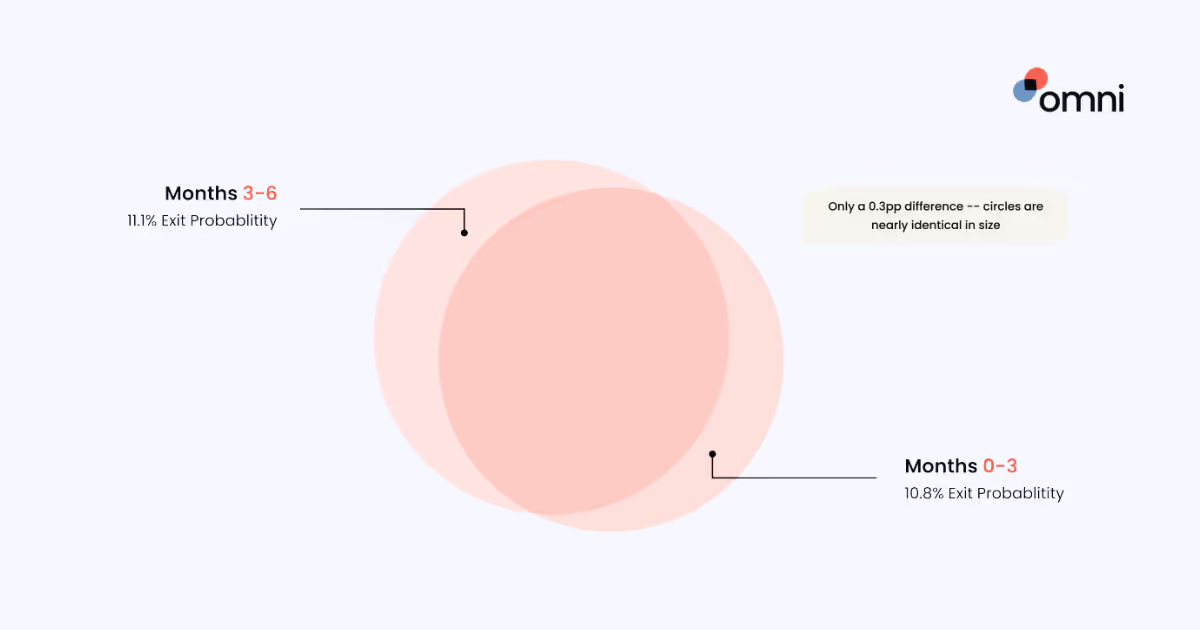
Hiring staff is easier than ever, but retention is where things often get complicated. Omni’s Employee Attrition Report found that one in three employees exit within their first year, with the first three to six months proving just as risky as the first 90 days. In other words, getting employees past their probation period doesn’t necessarily mean they’ll stay, as many organizations still lose new hires shortly after they've settled into their roles.
attrition problem

Attrition isn't always a sudden event. More often, it builds from patterns such as high absenteeism, repeated resignations in certain teams, and employee disengagement. Yet many companies don't realize they have an attrition problem until the effects become visible in productivity gaps, operational disruptions, and increased hiring costs. 

While employees will occasionally leave even the most well-managed organizations, struggling to retain staff or constantly hiring are often signs of a deeper workplace issue. In this guide, we’ll walk you through five early warning signs of an attrition problem before it becomes a crisis, and show how Omni HR can help you identify these rising turnover signals and convert them into actionable insights.

Sign 1: Exit Interviews Are Telling You the Same Things Repeatedly

Behind every resignation is a story, and exit interviews offer a valuable opportunity to know that story. They help HR teams understand departing employees’ experiences, challenges they faced, and their reasons for quitting.

But data collection is only the first step. The real value lies in analysis and pattern recognition—when you start connecting the dots. When multiple employees from the same department cite issues like lack of growth opportunities or poor management, it’s rarely a coincidence. Instead, it points to a systemic attrition problem begging for attention. Without proper analysis, these recurring signals can easily be overlooked.

Repeated feedback in exit data should be treated as a diagnostic signal rather than isolated incidents. It often indicates underlying problems within the company’s structure, culture, or management practices, and if left unaddressed, will continue to drive attrition.

To uncover these patterns, identify recurring themes around growth, recognition, or flexibility across different groups. For instance, are employees within their first year leaving for similar reasons? Do different demographics report unique concerns? 

Findings from Omni's 2026 Attrition Report found that instability, such as manager changes or unpaid leave, contributes to higher exit rates in the first six months. Tracking and analyzing these themes helps to identify patterns behind attrition and fix underlying issues before they continue driving employees away.

Additional reading: What is Attrition Rate? Tools and Tips to Improve Your Team’s Retention

Sign 2: High Turnover Concentrated in One Team or Tenure Band

Attrition isn’t uniform across all roles. Omni's findings on why employees in Asia are leaving in 2026 suggest that front-office teams, such as Sales, Marketing, and Customer Success, tend to experience higher exit rates at every milestone compared to back-office teams. This highlights how turnover patterns can vary significantly depending on role type and team dynamics.

High turnover concentrated in a specific team or cohort often indicates a structural issue rather than a company-wide culture problem. For instance, repeated departures within a department may suggest poor leadership or excessive workload. Likewise, employees leaving within one to six months may indicate gaps in onboarding or a disconnect between hiring expectations and reality.

Track exits by department, team lead, and time-to-exit to uncover these patterns. Comparing turnover rates across teams over a rolling 12-month period can reveal meaningful differences. For example, if one manager’s team consistently shows significantly higher turnover than others, it may signal a need to review management practices or team structure within that group.

Once you’ve ascertained these patterns, take targeted action such as organizing training to strengthen leadership capabilities, setting clear expectations, and investing in employee development programs. This approach helps address the root causes of an attrition problem and supports informed decision-making.

Sign 3: Your Top Performers Are the Ones Leaving

High performers play a critical role in driving business outcomes, yet they’re often at greater risk of leaving than expected. A Leadership IQ study reveals that high performers are often less engaged than their underperforming peers, and this comes at a cost—a 2024 Harvard Business Review report shows that top performers are more likely to leave when new employees are paid more in similar roles.

Losing your strongest contributors can be costly. They take institutional knowledge, specialized expertise, and key relationships with them. In some cases, their exit can even impact team morale and trigger performance relapses. But high performers leaving is rarely random. Their departure often signals underlying issues like compensation misalignment, low recognition, or a lack of growth opportunities. Over time, these factors can create an environment where top talent no longer feels challenged or valued.

To determine whether this is an attrition problem, cross-reference performance ratings with exit data. If top-rated employees consistently appear in resignation records, it signals a deeper retention issue rather than normal employee attrition. Additionally, this analysis reveals where these exits are concentrated, such as within specific departments or at particular career stages. This allows HR leaders to address root causes proactively before more high-performing employees follow.

Sign 4: Engagement Scores Are Dropping — But Nobody's Acting On Them

Employee engagement is one of the strongest predictors of retention. Measuring it provides valuable insights into how employees feel about their work, managers, and overall experience. But engagement metrics aren’t just numbers; they’re early warning signals that require timely interpretation and action, too.

For example, a dip in engagement scores or the Employee Net Promoter Score (eNPS) may indicate growing dissatisfaction or declining employee loyalty. Without understanding the emotions behind the numbers, leaders are left guessing where to act, inadvertently allowing issues to persist and increasing attrition. 

When feedback about manager relationships, workload, recognition, or career growth is overlooked, frustration builds and trust erodes. Over time, people disengage, performance drops, and resignations spike. 

To stay ahead of these risks, conduct regular pulse or employee surveys that highlight engagement, workload balance, leadership effectiveness, and overall employee well-being. These snapshots reveal early warning signs of an attrition problem and help HR teams spot and address issues before they escalate into departures.

Read next: How to Use Data to Better Understand Attrition and Retention

Sign 5: Recruitment Is Struggling to Keep Up With Exits

When headcount stays flat despite active hiring, it often means you’re simply backfilling roles rather than building a growing, stable workforce. This disparity usually occurs because the underlying issues driving employees to leave haven’t been addressed. 

For example, new hires exiting within the first six months may signal a company culture mismatch or poor onboarding, while top candidates avoiding your roles could point to weak employer branding or the need for market-competitive compensation.

Tracking net headcount growth versus gross hires over six months provides a clear view of whether new hiring is actually strengthening your workforce or merely replacing departing employees. Gross hires show how many people joined, while net headcount growth reveals the real increase in workforce after accounting for exits. If your company hires frequently but headcount barely grows, it often indicates an attrition problem that needs attention.
employee attrition
If you're seeing any of these signs, you're not alone. Omni HR's 2026 Employee Attrition Report reveals 10 data-backed patterns from companies across Asia — download it for free to benchmark your organisation and uncover where intervention may be needed.

Turn Attrition Signals Into Action with Omni HR

Rising turnover often reflects deeper issues within company culture, management, or career growth opportunities. Recognizing an attrition problem early can prevent the loss of key talent, but without understanding the underlying causes, employees risk disengagement, burnout, and voluntary exits. That’s where the right HR tools make a difference.
attrition

Omni HR helps HR teams and business leaders detect an attrition problem before it escalates. From simplifying hiring and onboarding to delivering real-time workforce analytics, Omni equips you to uncover the root causes of employee turnover, improve retention, and build a stable, engaged workforce. 

Here’s how our platform helps:

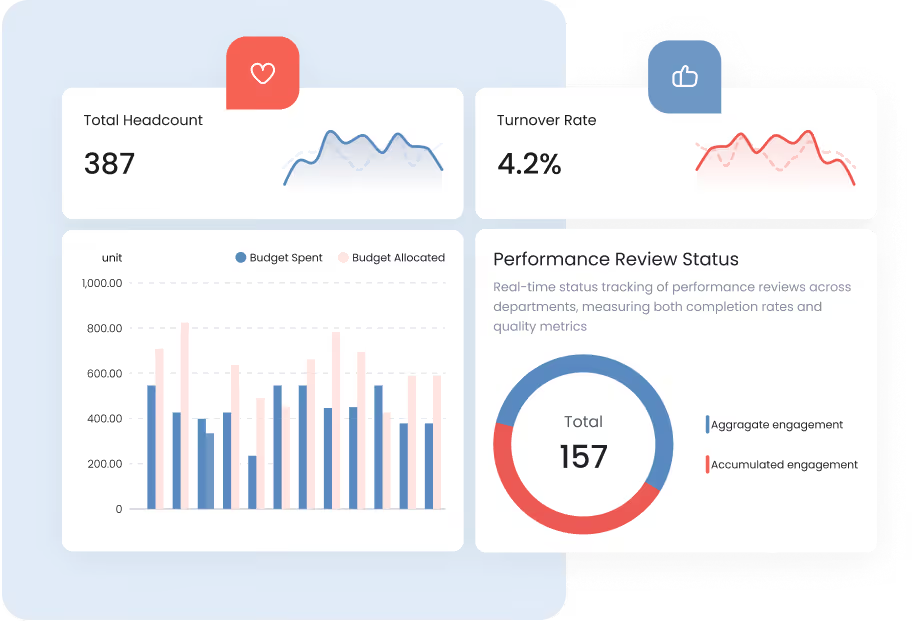
  • Attrition analytics: Monitor workforce trends with visual dashboards that highlight dips in engagement, performance gaps, and at-risk teams. Track turnover rates, department-level attrition, and workforce demographics to uncover the drivers of an attrition problem and take targeted action.
  • Headcount reporting: Gain a real-time, centralized view of headcount changes versus hiring activity to spot replacement cycles early. This helps HR teams identify where departures are happening and make informed decisions around recruitment, retention, and workforce planning.
  • Employee data centralisation: Store and manage all employee information in one platform, so it’s easier to identify tenure- or demographic-based attrition clusters. Omni centralizes and automatically tracks a wide range of employee data, from attendance records to attrition rates. It also provides real-time graphs and auto-generated reports to reduce manual errors and simplify workforce analytics.
  • Offboarding workflows: Omni standardizes and automates exit processes, including exit interviews, to consistently capture insights. This turns offboarding from a reactive task into a strategic source for understanding why employees leave.

With these features and more, Omni helps organizations turn attrition signals into actionable insights that reveal the root causes of turnover, retain valuable talent, and build an engaged and resilient workforce.
employee attrition

Book a demo today to learn more about how Omni can help you combat attrition and unlock your organization’s potential.

Hiring staff is easier than ever, but retention is where things often get complicated. Omni’s Employee Attrition Report found that one in three employees exit within their first year, with the first three to six months proving just as risky as the first 90 days. In other words, getting employees past their probation period doesn’t necessarily mean they’ll stay, as many organizations still lose new hires shortly after they've settled into their roles.

attrition problem

Attrition isn't always a sudden event. More often, it builds from patterns such as high absenteeism, repeated resignations in certain teams, and employee disengagement. Yet many companies don't realize they have an attrition problem until the effects become visible in productivity gaps, operational disruptions, and increased hiring costs. 

While employees will occasionally leave even the most well-managed organizations, struggling to retain staff or constantly hiring are often signs of a deeper workplace issue. In this guide, we’ll walk you through five early warning signs of an attrition problem before it becomes a crisis, and show how Omni HR can help you identify these rising turnover signals and convert them into actionable insights.

Sign 1: Exit Interviews Are Telling You the Same Things Repeatedly

Behind every resignation is a story, and exit interviews offer a valuable opportunity to know that story. They help HR teams understand departing employees’ experiences, challenges they faced, and their reasons for quitting.

But data collection is only the first step. The real value lies in analysis and pattern recognition—when you start connecting the dots. When multiple employees from the same department cite issues like lack of growth opportunities or poor management, it’s rarely a coincidence. Instead, it points to a systemic attrition problem begging for attention. Without proper analysis, these recurring signals can easily be overlooked.

Repeated feedback in exit data should be treated as a diagnostic signal rather than isolated incidents. It often indicates underlying problems within the company’s structure, culture, or management practices, and if left unaddressed, will continue to drive attrition.

To uncover these patterns, identify recurring themes around growth, recognition, or flexibility across different groups. For instance, are employees within their first year leaving for similar reasons? Do different demographics report unique concerns? 

Findings from Omni's 2026 Attrition Report found that instability, such as manager changes or unpaid leave, contributes to higher exit rates in the first six months. Tracking and analyzing these themes helps to identify patterns behind attrition and fix underlying issues before they continue driving employees away.

Additional reading: What is Attrition Rate? Tools and Tips to Improve Your Team’s Retention

Sign 2: High Turnover Concentrated in One Team or Tenure Band

Attrition isn’t uniform across all roles. Omni's findings on why employees in Asia are leaving in 2026 suggest that front-office teams, such as Sales, Marketing, and Customer Success, tend to experience higher exit rates at every milestone compared to back-office teams. This highlights how turnover patterns can vary significantly depending on role type and team dynamics.

High turnover concentrated in a specific team or cohort often indicates a structural issue rather than a company-wide culture problem. For instance, repeated departures within a department may suggest poor leadership or excessive workload. Likewise, employees leaving within one to six months may indicate gaps in onboarding or a disconnect between hiring expectations and reality.

Track exits by department, team lead, and time-to-exit to uncover these patterns. Comparing turnover rates across teams over a rolling 12-month period can reveal meaningful differences. For example, if one manager’s team consistently shows significantly higher turnover than others, it may signal a need to review management practices or team structure within that group.

Once you’ve ascertained these patterns, take targeted action such as organizing training to strengthen leadership capabilities, setting clear expectations, and investing in employee development programs. This approach helps address the root causes of an attrition problem and supports informed decision-making.

Sign 3: Your Top Performers Are the Ones Leaving

High performers play a critical role in driving business outcomes, yet they’re often at greater risk of leaving than expected. A Leadership IQ study reveals that high performers are often less engaged than their underperforming peers, and this comes at a cost—a 2024 Harvard Business Review report shows that top performers are more likely to leave when new employees are paid more in similar roles.

Losing your strongest contributors can be costly. They take institutional knowledge, specialized expertise, and key relationships with them. In some cases, their exit can even impact team morale and trigger performance relapses. But high performers leaving is rarely random. Their departure often signals underlying issues like compensation misalignment, low recognition, or a lack of growth opportunities. Over time, these factors can create an environment where top talent no longer feels challenged or valued.

To determine whether this is an attrition problem, cross-reference performance ratings with exit data. If top-rated employees consistently appear in resignation records, it signals a deeper retention issue rather than normal employee attrition. Additionally, this analysis reveals where these exits are concentrated, such as within specific departments or at particular career stages. This allows HR leaders to address root causes proactively before more high-performing employees follow.

Sign 4: Engagement Scores Are Dropping — But Nobody's Acting On Them

Employee engagement is one of the strongest predictors of retention. Measuring it provides valuable insights into how employees feel about their work, managers, and overall experience. But engagement metrics aren’t just numbers; they’re early warning signals that require timely interpretation and action, too.

For example, a dip in engagement scores or the Employee Net Promoter Score (eNPS) may indicate growing dissatisfaction or declining employee loyalty. Without understanding the emotions behind the numbers, leaders are left guessing where to act, inadvertently allowing issues to persist and increasing attrition. 

When feedback about manager relationships, workload, recognition, or career growth is overlooked, frustration builds and trust erodes. Over time, people disengage, performance drops, and resignations spike. 

To stay ahead of these risks, conduct regular pulse or employee surveys that highlight engagement, workload balance, leadership effectiveness, and overall employee well-being. These snapshots reveal early warning signs of an attrition problem and help HR teams spot and address issues before they escalate into departures.

Read next: How to Use Data to Better Understand Attrition and Retention

Sign 5: Recruitment Is Struggling to Keep Up With Exits

When headcount stays flat despite active hiring, it often means you’re simply backfilling roles rather than building a growing, stable workforce. This disparity usually occurs because the underlying issues driving employees to leave haven’t been addressed. 

For example, new hires exiting within the first six months may signal a company culture mismatch or poor onboarding, while top candidates avoiding your roles could point to weak employer branding or the need for market-competitive compensation.

Tracking net headcount growth versus gross hires over six months provides a clear view of whether new hiring is actually strengthening your workforce or merely replacing departing employees. Gross hires show how many people joined, while net headcount growth reveals the real increase in workforce after accounting for exits. If your company hires frequently but headcount barely grows, it often indicates an attrition problem that needs attention.

employee attrition
If you're seeing any of these signs, you're not alone. Omni HR's 2026 Employee Attrition Report reveals 10 data-backed patterns from companies across Asia — download it for free to benchmark your organisation and uncover where intervention may be needed.

Turn Attrition Signals Into Action with Omni HR

Rising turnover often reflects deeper issues within company culture, management, or career growth opportunities. Recognizing an attrition problem early can prevent the loss of key talent, but without understanding the underlying causes, employees risk disengagement, burnout, and voluntary exits. That’s where the right HR tools make a difference.

attrition

Omni HR helps HR teams and business leaders detect an attrition problem before it escalates. From simplifying hiring and onboarding to delivering real-time workforce analytics, Omni equips you to uncover the root causes of employee turnover, improve retention, and build a stable, engaged workforce. 

Here’s how our platform helps:

  • Attrition analytics: Monitor workforce trends with visual dashboards that highlight dips in engagement, performance gaps, and at-risk teams. Track turnover rates, department-level attrition, and workforce demographics to uncover the drivers of an attrition problem and take targeted action.
  • Headcount reporting: Gain a real-time, centralized view of headcount changes versus hiring activity to spot replacement cycles early. This helps HR teams identify where departures are happening and make informed decisions around recruitment, retention, and workforce planning.
  • Employee data centralisation: Store and manage all employee information in one platform, so it’s easier to identify tenure- or demographic-based attrition clusters. Omni centralizes and automatically tracks a wide range of employee data, from attendance records to attrition rates. It also provides real-time graphs and auto-generated reports to reduce manual errors and simplify workforce analytics.
  • Offboarding workflows: Omni standardizes and automates exit processes, including exit interviews, to consistently capture insights. This turns offboarding from a reactive task into a strategic source for understanding why employees leave.

With these features and more, Omni helps organizations turn attrition signals into actionable insights that reveal the root causes of turnover, retain valuable talent, and build an engaged and resilient workforce.

employee attrition

Book a demo today to learn more about how Omni can help you combat attrition and unlock your organization’s potential.

No items found.
No items found.
Which countries do you support?

Full HR & Payroll coverage for Philippines, Singapore, Malaysia, Hong Kong, and Indonesia. Each market has local support teams and built-in compliance features.

How does pricing work as we scale?

Starting at $3/employee/month for core features. Volume-based discounts are available for growing teams. Book a demo for custom pricing.

How do you handle security?

Enterprise-grade security with ISO 27001, GDPR certifications, and local data residency options.

How long is implementation?

4 weeks average. Includes free data migration, setup, and team training. No hidden fees.

What makes Omni different from global HR platforms?

Built specifically for Asia with local payroll processing, same-day support in Asia time zones, and 40% lower cost than global alternatives.