.png)
Summary. As businesses grow, manual payroll increases compliance risk, errors, and administrative burden, making the right payroll management service essential. Managed payroll services are best for companies with complex, multi-country operations or limited internal expertise, offering expert-led processing, compliance management, and reduced admin workload. Payroll software is ideal for businesses that want full control, automation, and a cost-effective way to manage payroll in-house. Omni HR supports both managed payroll and payroll software on one integrated platform, automating calculations, reporting, and compliance while reducing processing time from days to hours. Whether you need hands-on control or fully outsourced payroll services, Omni HR delivers a scalable, accurate solution that grows with your business.
As businesses grow, handling payroll manually becomes inefficient and exposes you to both compliance and financial risks. As such, streamlining your payroll using a payroll management service becomes important. But you need to consider certain factors, such as your budget, company size, scalability, growth stage, and team size, to ensure you choose the right solution. In this article, we'll walk you through the two major payroll services, their benefits, features, pros, and cons. We'd also share when to choose which payroll service to ensure you make the right choice for your business.
What is Managed Payroll?
Managed payroll is a payroll service that involves outsourcing to experts. With managed payroll, the responsibility of generating payslips, handling taxes, and compliance lies with the payroll management company. So your in-house finance and HR team can focus on core administrative activities.
The managed payroll service covers;
- Regulatory and regional compliance with labor laws
- Multi-country and multi-currency payroll
- Automated payroll calculation
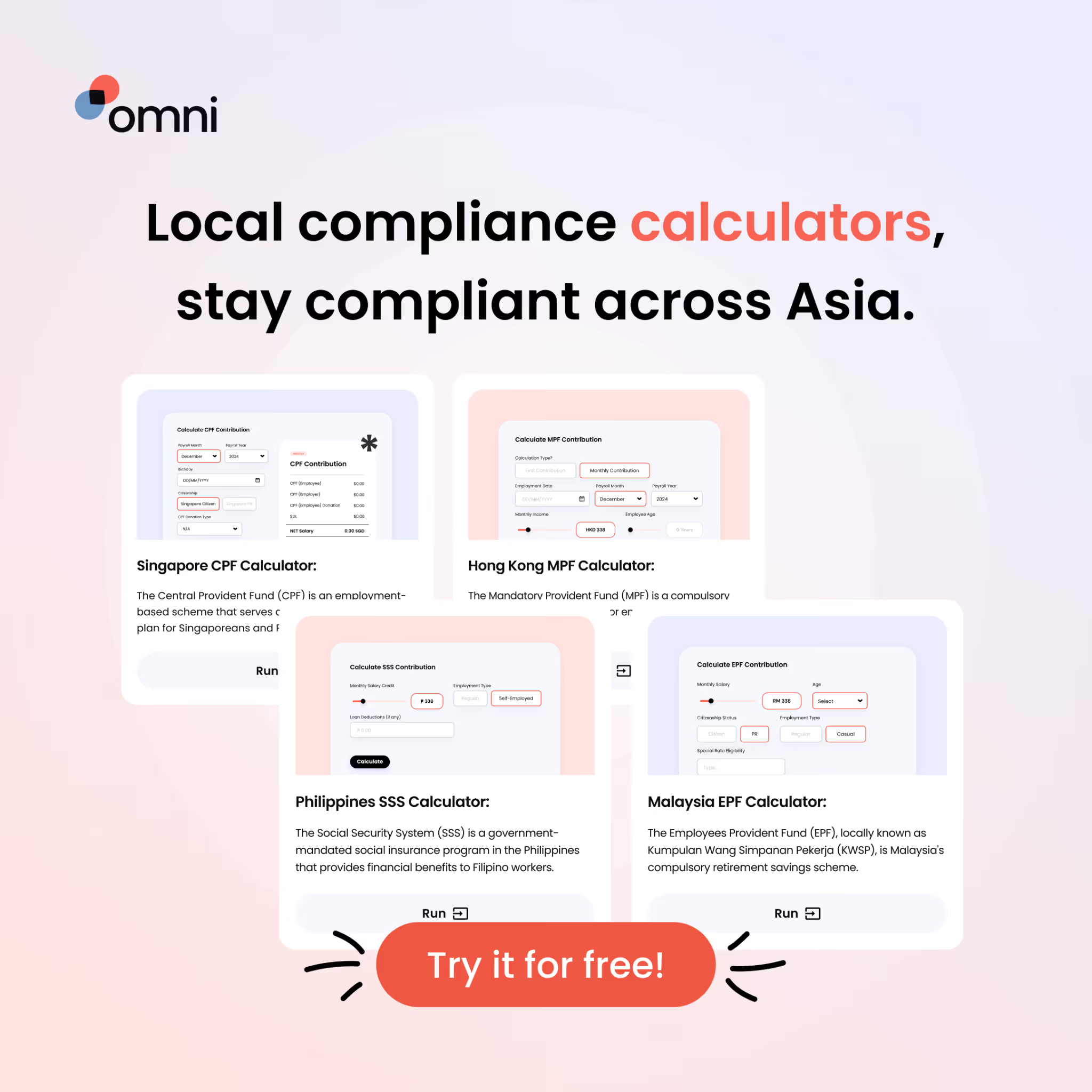
- Country-specific deductions and employee contributions (e.g., EPF in Malaysia, CPF in Singapore, SSS & PhilHealth in the Philippines)
- Localized payroll service support
What is Payroll Software?
Payroll software is a digital solution that automates and speeds up your company's payroll processing. Unlike with managed payroll, you are responsible for running the software, making changes in employee data, and ensuring that compliance updates are effected.
A payroll software handles;
- Payslip generation
- Time and attendance tracking
- Timely payment of salaries
- Tax calculation and payroll deductions
- Payroll compliance
- Integration with HRIS.
Key Differences Between Managed Payroll and Payroll Software
Managed payroll services and payroll software essentially help businesses process employee payments efficiently. But they have their differences, pros and cons, and best use cases.
When to Choose Managed Payroll Service or Payroll Software
Choosing a managed payroll solution is a critical business decision that impacts your team, finances, and compliance. The key is selecting a payroll management service that fits your current business needs while remaining flexible as your business grows. Businesses can switch between managed payroll services and payroll software as their workforce size, complexity, and operational needs evolve.
Managed Payroll Services
Managed payroll services are best suited for businesses that:
- Have fast-growing teams: Managed payroll takes the burden off internal teams, allowing them to focus on optimizing operations and supporting growth.
- Have limited internal payroll expertise: Even with payroll software, limited payroll knowledge can still lead to errors, employee dissatisfaction, and compliance risks. Managed payroll services provide expert handling to ensure accurate, compliant payroll processes.
- Operate across multiple regions or currencies: Businesses with distributed teams or multi-country operations benefit from managed payroll services, which handle multi-country payments accurately and comply with local regulations. and pay in multiple currencies requires the efficiency of managed payroll services.
- Want to reduce administrative burden: Payroll is complex, and disbursing salaries is only a fraction of the responsibility that comes with efficient payroll processes. Employee onboarding and offboarding, time and attendance tracking, tax, benefits calculations, and deductions are additional parts that overwhelm admin teams. Using managed payroll services frees up internal teams, improving efficiency in employee training, internal communication, and other admin tasks.
- Are multinational or have complex payroll needs: Managed payroll services typically cost more than payroll software, making them suitable for large organizations with complex payroll requirements or the budget to support fully managed payroll services. Smaller local businesses often find payroll software sufficient.
Payroll software
Payroll software is ideal for businesses that:
- Have a strong in-house payroll team: Skilled payroll personnel can manage payments, benefits, and deductions efficiently, reducing the risk of errors and compliance issues. Even with payroll software, regular training ensures your payroll processes remain accurate and up-to-date.
- Prefer control over payroll processes: Unlike managed payroll services, payroll software gives direct control over employee data and payroll decisions. Changes can be implemented immediately, improving flexibility and overall workplace efficiency.
- Are cost-conscious but want automation: Payroll software offers essential payroll functionality at a lower upfront cost compared to managed payroll services. It streamlines payroll processes, reduces manual work, and avoids recurring fees from external payroll services. Platforms like Omni HR allow businesses to process payroll quickly while maintaining control and minimizing overhead.
Making the Right Payroll Choice for Your Business
Payroll impacts employee trust, compliance, and operational efficiency. Choosing the right payroll management service ensures accuracy, saves time, and reduces administrative burden.
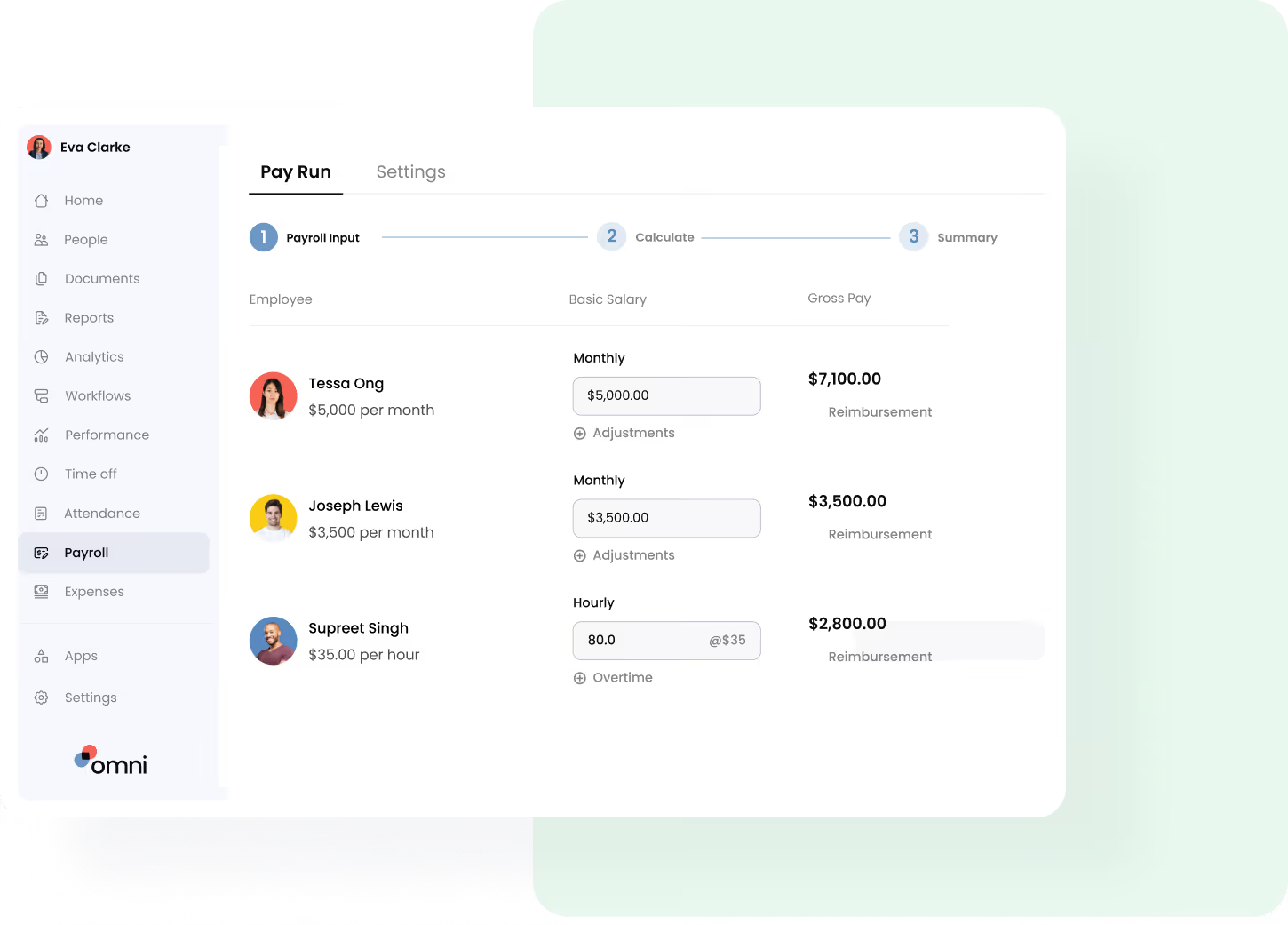
Payroll software
- Ideal for businesses with skilled in-house teams.
- Automates calculations, deductions, reporting, and record-keeping.
- Gives full control over payroll processes and real-time data.
- Cost-effective and scalable for growing teams.
Managed payroll services
- Fully handled by payroll experts.
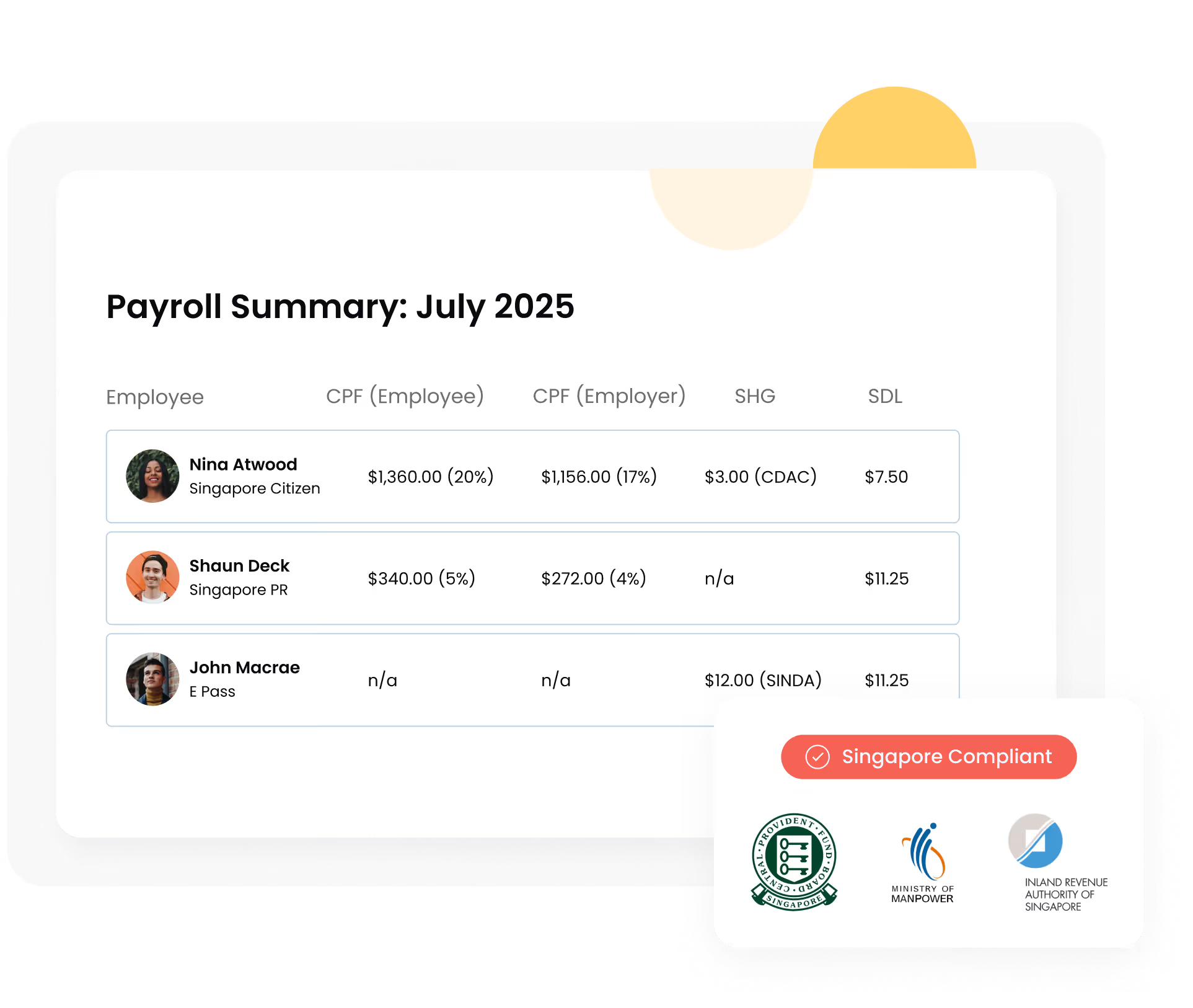
- Covers processing, compliance, and reporting for multi-location or complex operations.
- Frees internal teams to focus on core business tasks.
- Ensures accuracy and compliance across all regions.
Why Omni HR?
- Both payroll software and managed payroll services leverage the same platform for seamless, compliant payroll.
- Automates data validation, year-round tracking, and reporting.
- Reduces processing time from days to hours, minimizing errors and administrative work.
Choose the solution that fits your business needs: full control with payroll software or hands-off efficiency with managed payroll services. Omni HR makes payroll simple, accurate, and compliant. Book a demo to see how our managed payroll and payroll software can streamline your payroll operations.