





















.png)
Summary. Adopting new performance metrics often triggers employee anxiety, making a strong change management approach essential for success. Many organizations struggle with this, as only a third of leaders help employees adapt effectively, highlighting the need for a structured change management process. By using a clear change management framework, from building leadership alignment and communicating transparently to co-creating metrics, making performance visible, iterating based on feedback, and addressing resistance, organizations can reduce pushback and drive smoother transitions. When supported by the right tools, such as Omni’s performance management platform, companies can put proven change management best practices into action, strengthen organizational change management, and create a fair, transparent system that aligns employee performance with business goals.
Adopting new performance metrics often meets resistance, especially when the process isn’t handled effectively. Unfortunately, that’s usually the case. According to Gartner, only 32% of leaders worldwide help employees adapt to change healthily.
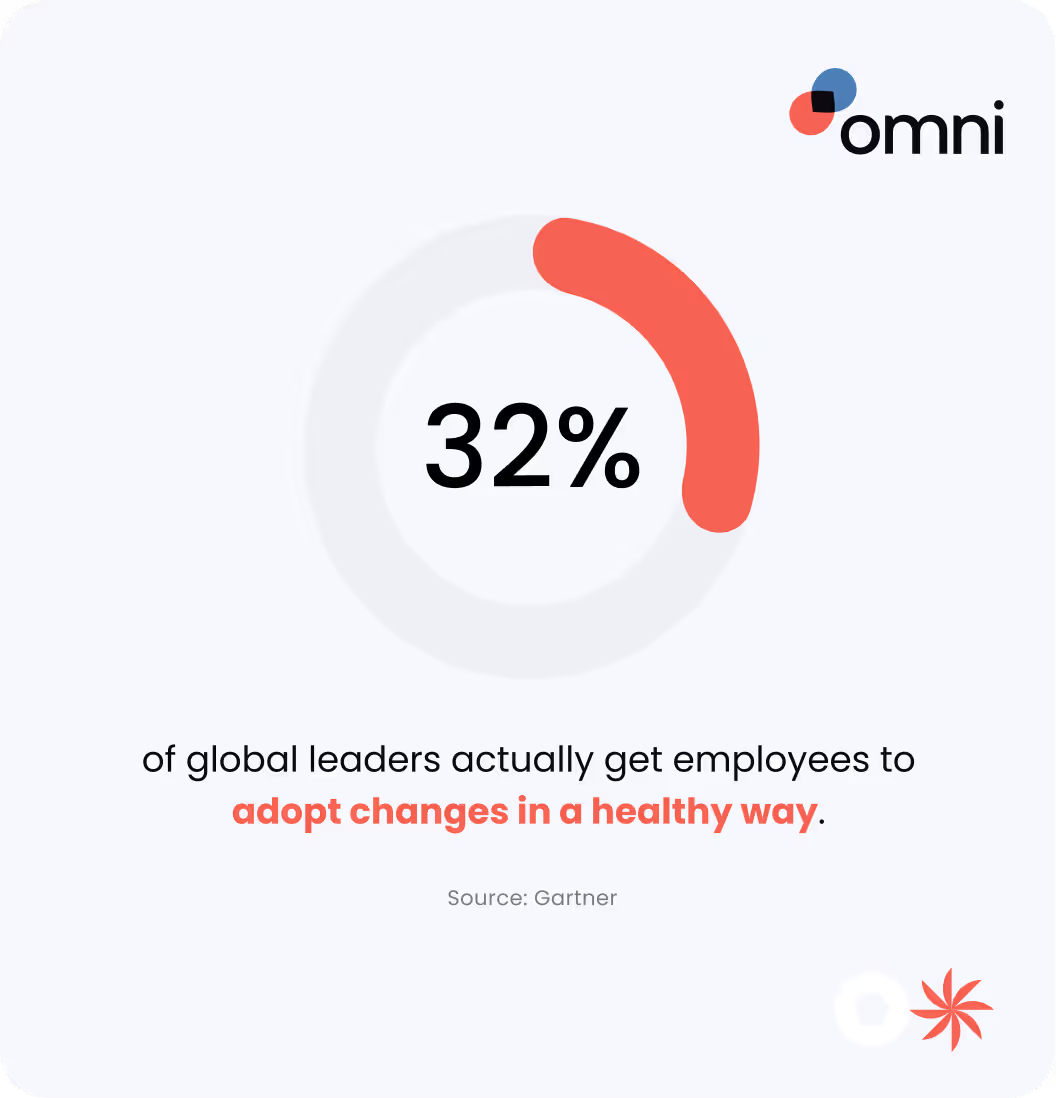
In other words, even when organizations choose the right performance metrics, implement the right appraisal systems, and track the right KPIs, they may still fall short of their goals. That’s because of the unaddressed employee resistance and anxiety around change.
The good news is that this challenge is entirely manageable. With a structured change management strategy (one that includes a clear framework for planning, communicating, and implementing new performance systems) and a trusted partner like Omni, which helps drive organizational change management through practical tools and employee-centric approaches, you can turn resistance into readiness.
This way, you’ll navigate the change management process more effectively, aligning business goals with employee performance. In this guide, we’ll show you how to put proven change management principles into action through best practices, actionable frameworks, and real-world applications.
Why Change Management Matters
Adopting new performance metrics means changing how employees are evaluated, and that can naturally lead to self-doubt and anxiety. It’s not uncommon for employees to wonder:
- "Will this make me look bad?"
- "Are you measuring me more because I'm underperforming?"
- "This feels like micromanagement."
- "What if I don't agree with these metrics?"
These are valid concerns, and they highlight why change management is essential. It’s about addressing these questions proactively, ensuring employees feel informed, supported, and included in the process. By preparing your team and easing their concerns early, you prevent unnecessary tension and workflow disruptions.
The question is: how can you make that happen in practice? Implement the following six phases for a smooth transition.
Phase 1: Build the Foundation (Before Announcement)
Before anything else, you need a foundation of support from your leadership team since they’re the ones who'll drive and administer the change management process. But how do you get their buy-in?
Start by creating healthy dissatisfaction with the status quo. Clearly explain the why behind the change of performance scales: the need for fairer, more transparent, and development-focused metrics.
In other words, what’s the problem with the current performance metrics? Are they unfair or not transparent in their evaluation of your employees? Are your organizational goals changing, which calls for different metrics?
Support your case with real examples of where the current performance metrics fall short or don’t serve the current goals. Then, show the projected organizational outcomes of adopting the new metrics. This data-backed approach helps leadership see the tangible value of change and further incentivizes them to support the change management process.
Once on board with the idea, they may raise concerns about limited resources. Address these early by providing the necessary time, training, and tools (such as HRIS systems with integrated performance tracking capabilities). With Omni, you can easily create custom report templates to support the transition to new performance metrics.

Next, prepare your managers. Train them on how to use the new system and technology, run through possible real-life scenarios, equip them with FAQs, talking points, and guidance on how to handle difficult conversations.
This ensures consistency in messaging and approach across all levels of the organization, setting the stage for smoother adoption and long-term success.
Phase 2: Announce Thoughtfully
Announcing changes to performance metrics requires clarity, thoughtfulness, and transparency. But what does that actually look like? A well-crafted rollout message should cover these key points:
- Why we're doing this: Clarity about the reason for change is critical in effective change management. Transparent communication not only reduces anxiety but also improves employee engagement and retention. For example, you can start with, "We want performance reviews to be fair, transparent, and focused on your development—not gut feelings."
- What's changing (and what's not): To ease employee concerns, clearly explain the scope of the change and what your new performance management system will look like. For instance: “You’ll have clear metrics and regular feedback. The timing of reviews remains unchanged.”
- How you were involved: To promote employee engagement, show employees that this change is with them, not to them. Highlight their contributions to the process: “We built this system based on input from [teams/roles] and industry best practices.”
- What happens next: Explain the next steps in this change management process to create purpose and streamline the workflow, such as: "Your manager will meet with you to co-create your specific metrics."
- How to give feedback: Make employees feel heard by asking for their input and explaining how they can share it. Say something like, "This is a first draft. We want your input to make it better."
Now that you know what to say in an organizational change management message, how do you say it? Choosing the right communication channel is just as important as the message itself:
- For the company: All-hands and town hall meetings are used in change management to communicate important information with large audiences. All-hands meetings are more formal with select speakers, whereas town hall meetings are more informal meetings with room for open dialogue.
- For a department: Part of change management is holding team meetings to walk your employees through the performance metrics changes and how they’ll affect them.
- For individuals: For customized performance metrics, include 1-on-1 meetings in your change management strategy to explain how the changes apply personally.
- For future reference: Create a written guide for performance metrics that employees can refer to.
Read next: 18 Communication Barriers in the Workplace
Phase 3: Co-Create Metrics
It’s essential not to impose metrics on employees, but to develop them collaboratively. To establish an open conversation with them about the change management framework, follow these steps:
- Share draft metrics: Present initial ideas as conversation starters. Invite employees at all levels to weigh in, helping you identify silent resistors and generate meaningful discussion. For example: “Here’s what we’re thinking. Let’s review this together.”
- Explain the reasoning: Highlight why the current performance metrics aren’t working and the benefits of the proposed ones. For example, “We chose these because they tie to [outcomes]."
- Ask for input: Encourage feedback and demonstrate that their voices matter to your change management, meaning ask them questions such as: "Do these feel fair? Is anything missing? Are targets realistic? Can you influence these metrics? How do you best measure and report them?”
- Adjust based on feedback: Show you’re listening by refining the performance metrics in response to employee input. This not only improves accuracy and relevance but also increases engagement and satisfaction.
- Confirm mutual understanding: Ensure everyone is clear on how performance will be tracked and evaluated.
If you follow this conversation workflow, you can reap the following benefits:
- Buy-in from employees: If you engage and inform your employees, you’ll get that employee buy-in, removing resistance, fostering alignment, and streamlining the change management.
- Better metrics: Your employees know their roles best, so they can help you determine the best metrics to track their performance and how to report them.
- Shared ownership: Your workers will feel equally responsible and more motivated with this conversation workflow. That's because you’ve involved them, they understand where their part comes in, they trust that they’re being fairly evaluated, and you’ve linked accountability with recognition and rewards.
- Reduced anxiety: The more effectively you communicate the performance metric change, the clearer employees are about how they’re being evaluated, which relieves anxiety.
Phase 4: Make Performance Visible
A continuous feedback loop drives productivity and fosters lasting change. Don’t wait until quarterly or annual reviews to discuss performance. Build transparency and trust in your new metrics by making performance visible through multiple channels:
- Dashboards: Use simple, user-friendly dashboards to provide employees with easy access to relevant metrics and visual analytics. Update them weekly or monthly so data reflects current performance. Dashboards offer clear, data-driven insights that help employees understand how they are being evaluated and guide future performance.
- Regular check-ins: Schedule weekly or bi-weekly 1-on-1 meetings to review performance trends. Focus on overall patterns rather than single data points to see how employee performance aligns with business objectives and goals.
- Quarterly reviews: Conduct quarterly assessments to give employees a broader perspective. Combine quantitative metrics with qualitative evaluations to provide context and facilitate meaningful conversations about performance.
- Real-time feedback: Address issues as they arise rather than waiting for formal appraisals. Offer actionable guidance to prevent small challenges from becoming larger problems. Also, celebrate wins promptly and connect them to strategic goals to reinforce behaviors that drive organizational success. This helps employees understand what they’re doing right or wrong based on the new metrics.
Read next: Bridging the Qualitative vs Quantitative Performance Measurement Gap
Phase 5: Iterate Based on Feedback
After implementing new performance metrics, challenges and questions are inevitable. Collecting and acting on feedback from employees, managers, and stakeholders ensures your metrics remain fair, effective, and aligned with business goals.
After the first quarter, take the following steps:
- Survey employees: Ask employees how the new system is working for them. Create an open, judgment-free dialogue to assess fairness and identify shortcomings. Use pulse surveys, focus groups, leadership walkabouts, or HR modules that support two-way communication.
- Survey managers: Consult those administering the change. What’s working well? What’s difficult? How useful are the new performance metrics for tracking progress and achieving organizational goals?
- Review the data: Analyze first-quarter performance data. Are the new metrics driving the desired behaviors? Compare results against goals and benchmarks to identify gaps or areas for improvement.
- Make adjustments: Refine metrics based on feedback and data. Identify what is (and isn’t) working and make the necessary updates to improve fairness, accuracy, and alignment with business objectives.
- Communicate changes: Show your employees that you’re listening to them and their concerns about new performance metrics, and communicate how you intend to fix that in the new quarter to maintain employee satisfaction.
This all sounds great in theory, but what does it actually look like? Below are some common real-life applications.
- HR managers may find certain metrics too difficult to track. In such cases, remove or simplify them with performance management platforms like Omni, to ensure the process stays consistent and manageable.
- Some measurements may be overly complex. Streamline these so they remain practical and easy to evaluate.
- Employees may flag unrealistic targets, which should be reviewed and adjusted as needed.
- Managers may identify missing metrics essential for aligning performance with business goals, which should then be added.
By iterating based on feedback, you ensure your performance metrics remain effective, fair, and fully integrated into the organization’s change management strategy.
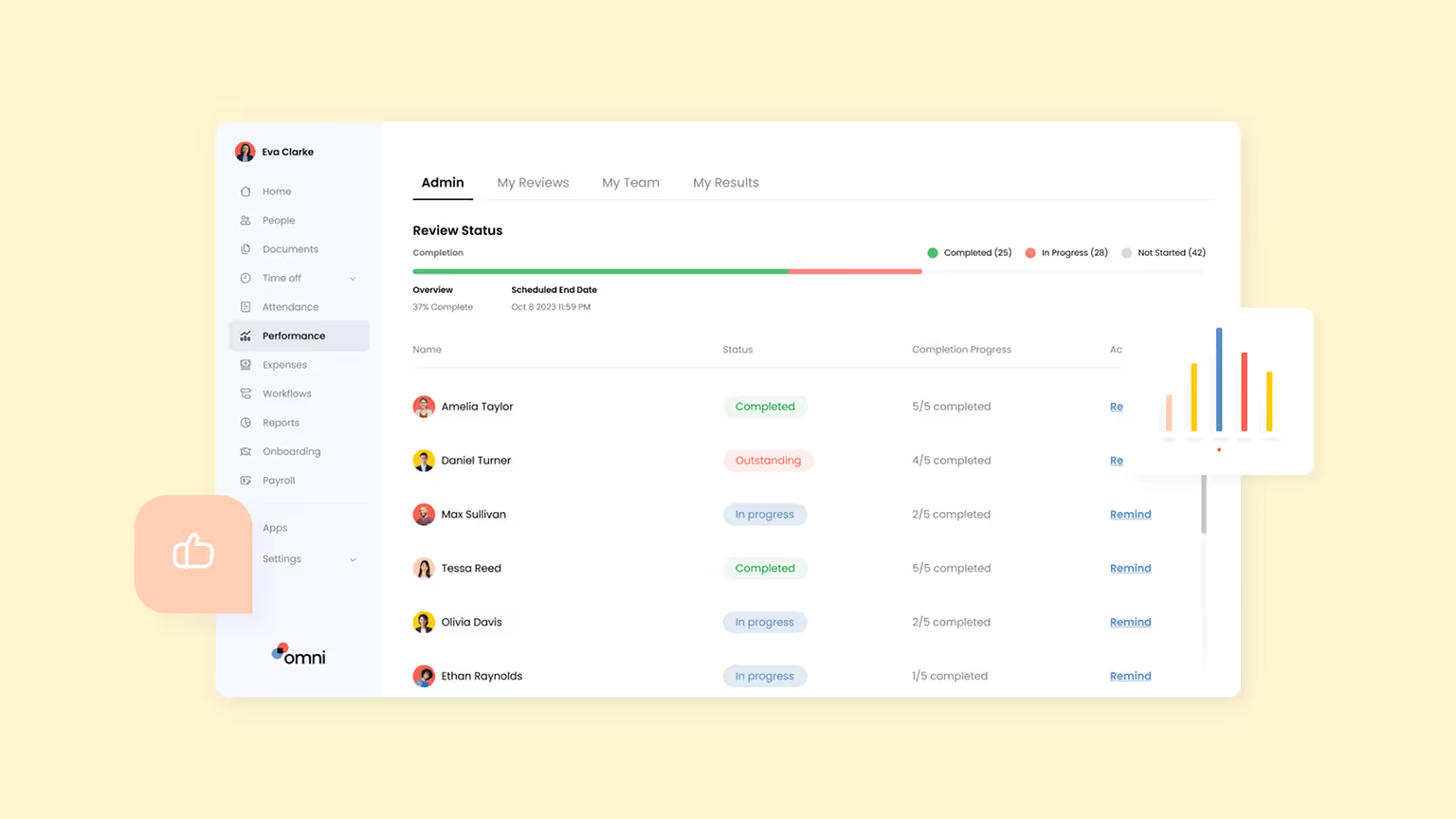
A structured feedback loop becomes much easier when your change management framework is supported by the right tools. Omni’s performance management module centralizes goal-setting, automated progress tracking, highlights bottlenecks, and consolidates manager-employee inputs into actionable insights.
With real-time dashboards and automated workflows, HR teams can refine metrics quickly, ensure alignment across departments, and maintain consistency at scale, without manual follow-ups or fragmented systems.
Phase 6: Addressing Resistance
Even after implementing all previous change management practices, some resistance may still be present. In that scenario, address pushback proactively to maintain trust and engagement.
Here are common areas of concern and recommended responses:
Micromanagement
- Pushback: "This feels like micromanagement."
- Response: "We're not tracking your every move. We're measuring outcomes so you have clarity on what success looks like. You own how you achieve these results."
Too many metrics
- Pushback: "I can't control all these metrics."
- Response: "You're right—let's review each one. Which feel outside your control? We'll adjust or remove those."
Not enough metrics
- Pushback: "This didn't catch my biggest accomplishment."
- Response: "Great point. What did we miss? We'll add a space for notable achievements outside the scorecard, or adjust metrics for next period."
Difficulty tracking metrics
- Pushback: "This is too much work to track."
- Response: "We'll automate what we can. If tracking a metric takes more than 30 minutes/month, we'll simplify or remove it."
Rating disputes
- Pushback: "What if I disagree with my rating?"
- Response: "Ratings should be based on evidence, not opinions. If you disagree, we'll review the data together and discuss. We want this to be fair."
How Omni Supports Performance Management
Omni provides a modern, complete performance management solution that supports every stage of your change management journey. As organizations update their performance metrics and evolve their change management process, Omni offers the tools needed to evaluate, develop, and retain top talent while ensuring a smooth transition.
With customizable review cycles, 360-degree feedback, clear goal tracking, and data-driven performance insights, Omni helps you put an effective change management strategy into practice. Whether you’re redesigning evaluation frameworks or rolling out new systems, Omni aligns your performance tools with organizational change management goals to drive clarity, transparency, and employee engagement.
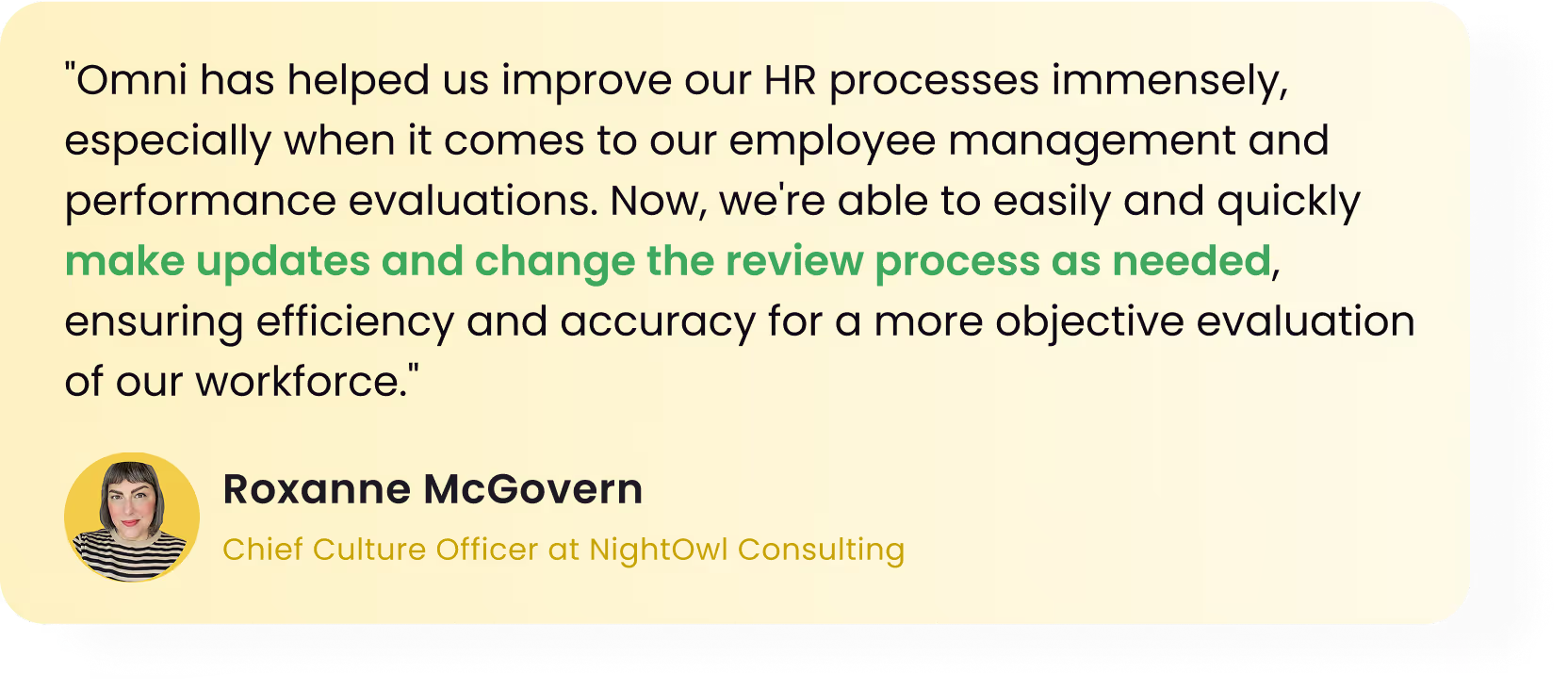
Explore how: NightOwl Consulting Gains Back Half Their Reporting Time with Omni
You’re also backed by dedicated local support available in your time zone, plus enterprise-grade security with ISO 27001 certification and AES-256 encryption to safeguard your employee data, critical components of any trusted change management framework.
From day one, a dedicated implementation manager guides you onboarding and tailors the system to your workflows, helping you adopt new performance processes with confidence and in line with change management best practices.
Experience a platform that combines powerful performance tools that put your employee development at the centre of your performance management and supports you through every step of your transformation. Book a free demo today and see how Omni can help you navigate change and strengthen your performance systems.



.avif)
.avif)